

Author|Otto Abut|CRN
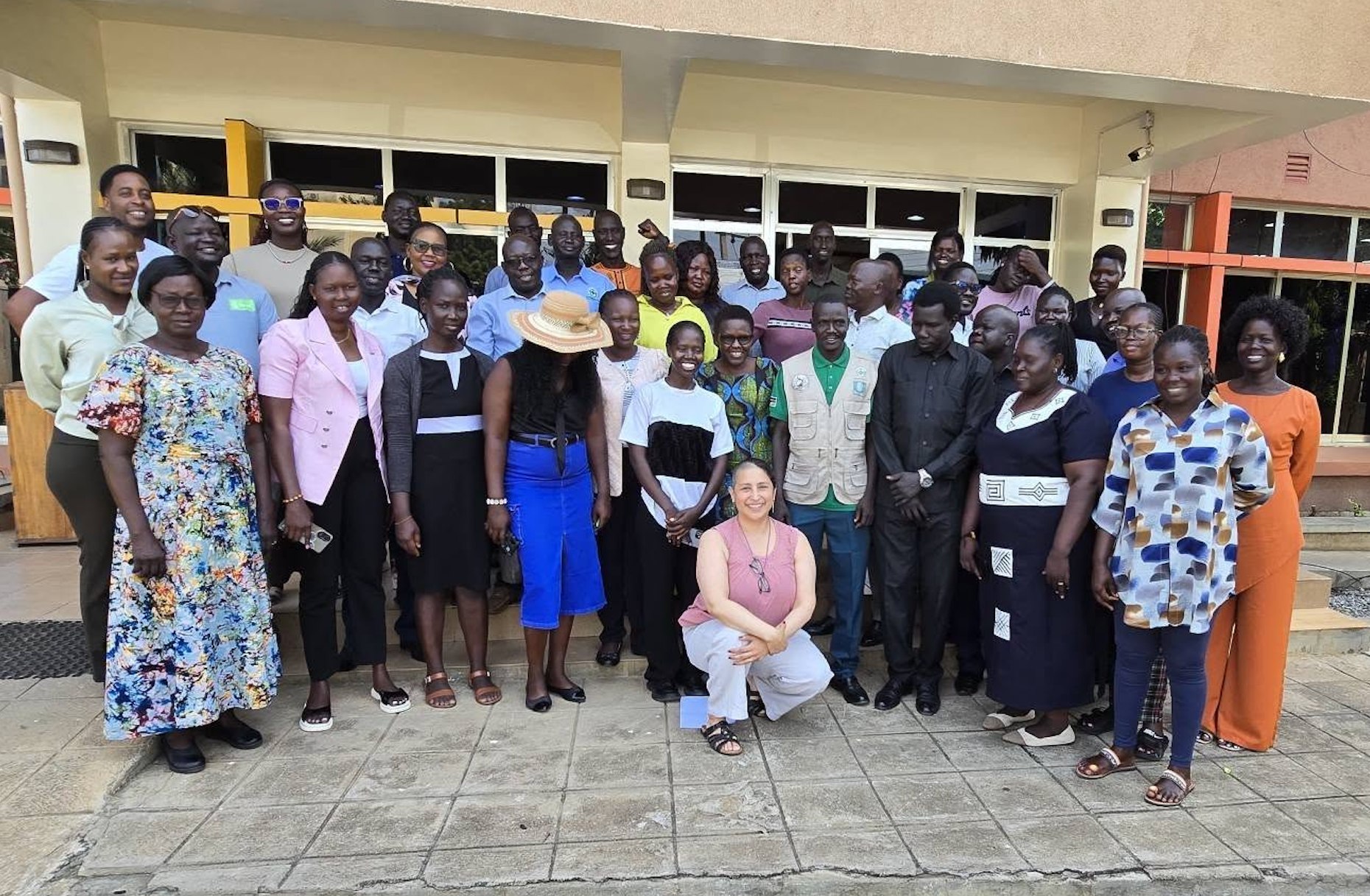
The Norwegian People’s Aid (NPA) South Sudan has trained staff and representatives from partner organizations on gender assessment and Sexual and Gender-Based Violence (SGBV) prevention as part of efforts to strengthen gender-responsive programming and community protection initiatives across the country.
The training, held last week, brought together participants from 21 partner organizations and NPA operational areas to enhance their understanding of gender dynamics, SGBV prevention, and effective response mechanisms in humanitarian and development programming.
Speaking during the training, NPA Acting Country Director Eddington Chinyoka said the organization conducted two specialized courses: a Rapid Gender Assessment Training and an Advanced Sexual and Gender-Based Violence Programming Training.
According to Chinjoka, the initiative was designed to ensure that humanitarian and development interventions are implemented through a gender-sensitive lens while strengthening the capacity of partners to address emerging protection challenges.
“We all need to have a gender lens in everything that we do, whether it is civil society development, humanitarian operations, or development programming,” Chinjoka said.
The workshop attracted representatives from organizations working in media, food security and livelihoods, humanitarian response, peacebuilding, protection, and SGBV programming. It also included NPA staff from operational areas such as Lakes State, Kapoeta North, Fangak, Canal/Pigi, and Bor.
Chinjoka noted that while NPA has traditionally focused on food security and livelihoods, the organization has increasingly integrated SGBV prevention and response into its programs due to the growing vulnerability of women and girls affected by conflict, climate shocks, and humanitarian crises.
“We have observed increasing levels of sexual and gender-based violence due to emerging crises, climate-related challenges, and conflict. As NPA, we believe we have a role to play in addressing these issues,” he said.
He further called on governments and leaders across Africa to strengthen the implementation of existing laws and policies that protect women and girls and promote gender equality.
“One of the key messages to the government is that we must enforce the policies that we already have. We need to support the gender equality agenda because it is important for everyone,” Chinjoka added.
During the training, participants examined the root causes and impacts of sexual and gender-based violence and explored practical approaches to prevention, survivor support, and community engagement aimed at creating safer and more inclusive societies.
For many participants, the training provided valuable insights into addressing SGBV within their respective communities and organizations.
Rose Ogwaro, one of the participants work for Magwi Action for Self-Reliance (MASRA), described the training as eye-opening and said it deepened her understanding of both the causes and consequences of gender-based violence.
“This training has been very useful for me because I learned a lot about SGBV. I’ve been hearing about it and working with partners who deal with SGBV, but today I’ve gained a deeper understanding,” she said.
Ogwaro highlighted the long-term social and economic impacts of violence on women and girls, noting that survivors often live in fear and face barriers to participating fully in community life.
“Many women and girls become fearful after experiencing violence. They cannot freely go to their gardens or collect firewood because they fear that the same thing may happen again,” she explained.
She called for stronger awareness campaigns, effective reporting and referral mechanisms, and improved access to support services for survivors.
Meanwhile, Kolabas Mayak Mayen, Executive Director of the Rumbek Youth Sport Association (RYSA), said the training equipped him with practical knowledge that will support community awareness and protection efforts in Lakes State.
RYSA operates in Rumbek Centre, Rumbek East, and Wulu counties, working with young people and communities on social development initiatives.
“I have learned a lot from this training, and it will help my community, especially in Lakes State. Some areas are still not receiving enough information about SGBV. What I have learned here will help communities in places like Rumbek East and Wulu when I return home,” Mayan said.
He noted that harmful social norms and practices contributing to sexual and gender-based violence remain prevalent in some communities and are often exacerbated by conflict and insecurity.
“We feel bad when we see these violations happening in our communities. That is why the knowledge gained from this training is important. I will use it to help reduce SGBV in Lakes State,” he added.
The training forms part of NPA’s broader commitment to strengthening local capacities to prevent sexual and gender-based violence, promote gender equality, and protect the rights, dignity, and safety of women and girls across South Sudan.