

By Otto Abut
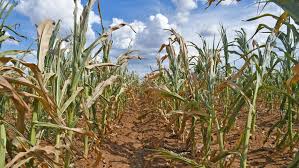
The National Flood Taskforce has warned that South Sudan is expected to experience below-average rainfall and above-average temperatures during the June to September rainy season, increasing the risk of drought across several parts of the country.
According to the Taskforce’s latest report, Eastern Equatoria State, the Greater Pibor Administrative Area, and northern Upper Nile are expected to face the highest levels of drought and water stress.
The United Nations Refugee Agency says about 1,500 people have already moved from Kapoeta to neighbouring Kenya due to severe water shortages, while many more families are considering leaving if conditions worsen.
Although localized flooding may occur in some areas, the overall outlook points to increased water shortages, crop failure, livestock losses, and reduced agricultural production, particularly in eastern and south-eastern South Sudan.
The National Flood Taskforce says it is updating its preparedness and response plan to address both drought and flood emergencies.
Meanwhile, the latest FAO and WFP Hunger Hotspots report identifies South Sudan as one of four countries facing the highest risk of acute food insecurity worldwide.
The latest Integrated Food Security Phase Classification analysis estimates that about 7.8 million people will face Crisis or worse levels of food insecurity during the current lean season.
Humanitarian agencies warn that conflict, climate shocks, economic hardship, disease outbreaks, displacement, and declining humanitarian funding are likely to worsen hunger and malnutrition across the country in the months ahead.