

Ginaba Lino|CRN –Thousands of children in Renk are recovering from malnutrition thanks to a nutrition programme supported by UNICEF and funded by European Civil Protection and Humanitarian Aid Operations.
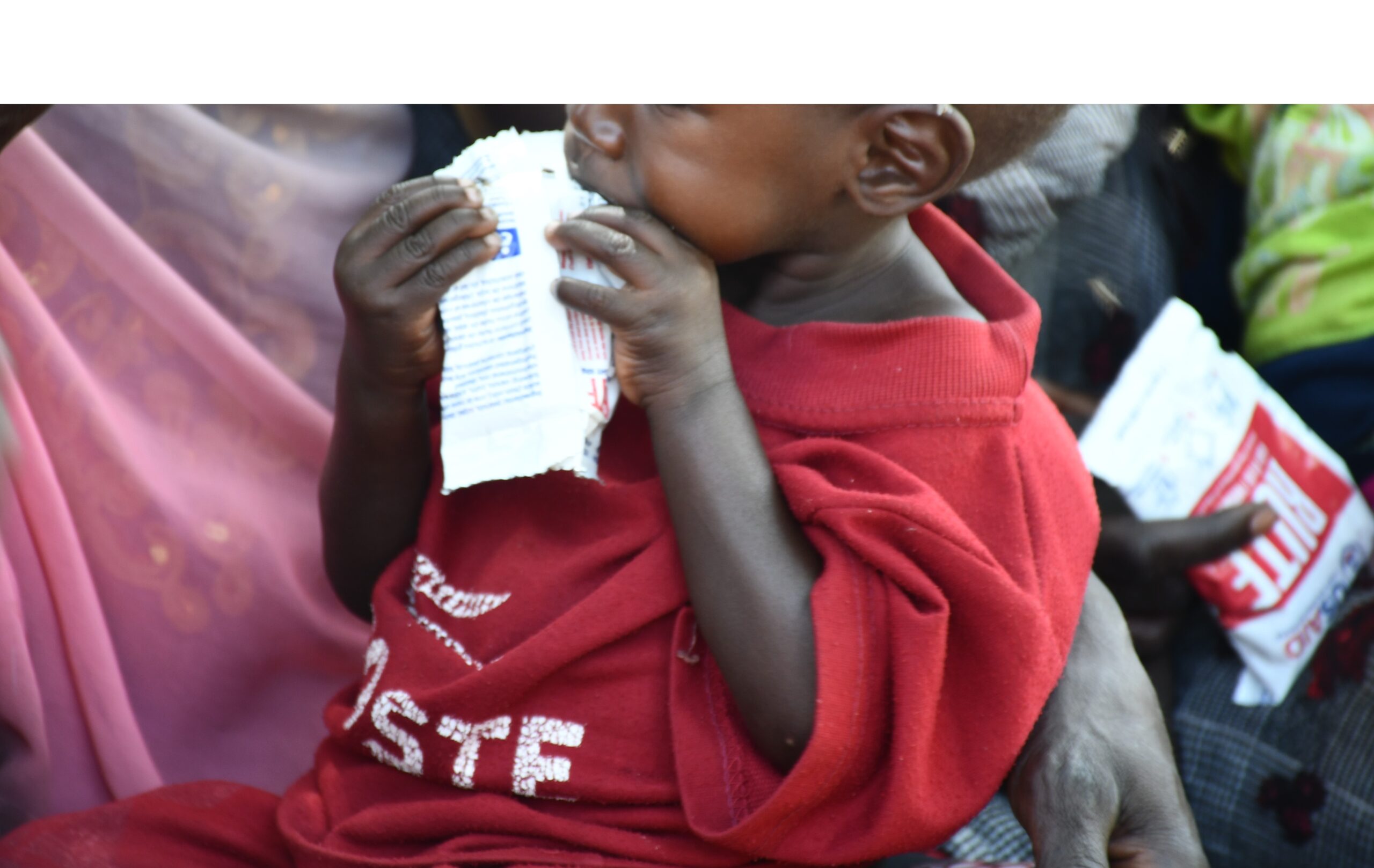
More than 4,000 children have benefited from life-saving interventions delivered at facilities such as Renk Transit Centre and Abukadra Primary Health Care Centre, where health workers report steady recovery among malnourished children.
The programme, implemented in partnership with GOAL and the State Ministry of Health, provides therapeutic feeding, routine nutrition screening, and community-based support for vulnerable children and mothers.
In Abukadra alone, more than 1,200 children with severe acute malnutrition are currently undergoing treatment, while over 3,500 others have been reached through broader nutrition services. Health officials say many children are showing significant improvement after consistent care.
For many families displaced by conflict in neighboring Sudan, the programme has become a lifeline.
Nyakang Jok, a 27-year-old mother who fled Sudan in 2023, recalls how weak and frequently ill her child was upon arrival. After enrolling in the outpatient therapeutic programme, her child has regained strength and is now visibly healthier.
“I saw my child change completely,” she said, attributing the recovery to the nutrition support.
Another mother, Nyawail Gai, nearly lost her child before being referred from Renk Civil Hospital to Abukadra for specialized care. Today, her child is steadily recovering. As a single mother who lost her husband in the conflict, she describes the programme as critical to her family’s survival.
Najah Al Thiep, who arrived in Renk while pregnant after fleeing violence, is now raising four children alone. Despite working long hours for low pay, she says the nutrition programme has helped stabilize her family by ensuring her youngest child receives proper care.
According to UNICEF nutrition specialist Jansuk Alex, the programme’s success is driven by strong community involvement.
Local volunteers, mother-to-mother support groups, and Boma Health Initiative teams play a key role in identifying malnourished children, conducting screenings, and referring them for treatment.
“These community structures are essential in ensuring early detection and continuous support for families,” he said.
Despite the progress, challenges remain. Continued funding and a steady supply of therapeutic foods are critical to sustaining the programme.
The situation in Renk is further strained by the ongoing conflict in Sudan, which began in April 2023 and has displaced millions, with many seeking refuge in South Sudan.
Amid these pressures, the nutrition programme stands out as a vital intervention—helping children recover, supporting families, and restoring hope.
For mothers like Jok, Gai, and Najah, it is more than healthcare—it is a chance for their children to survive and build a healthier future.