


By: Paride Wani Moses – Torit
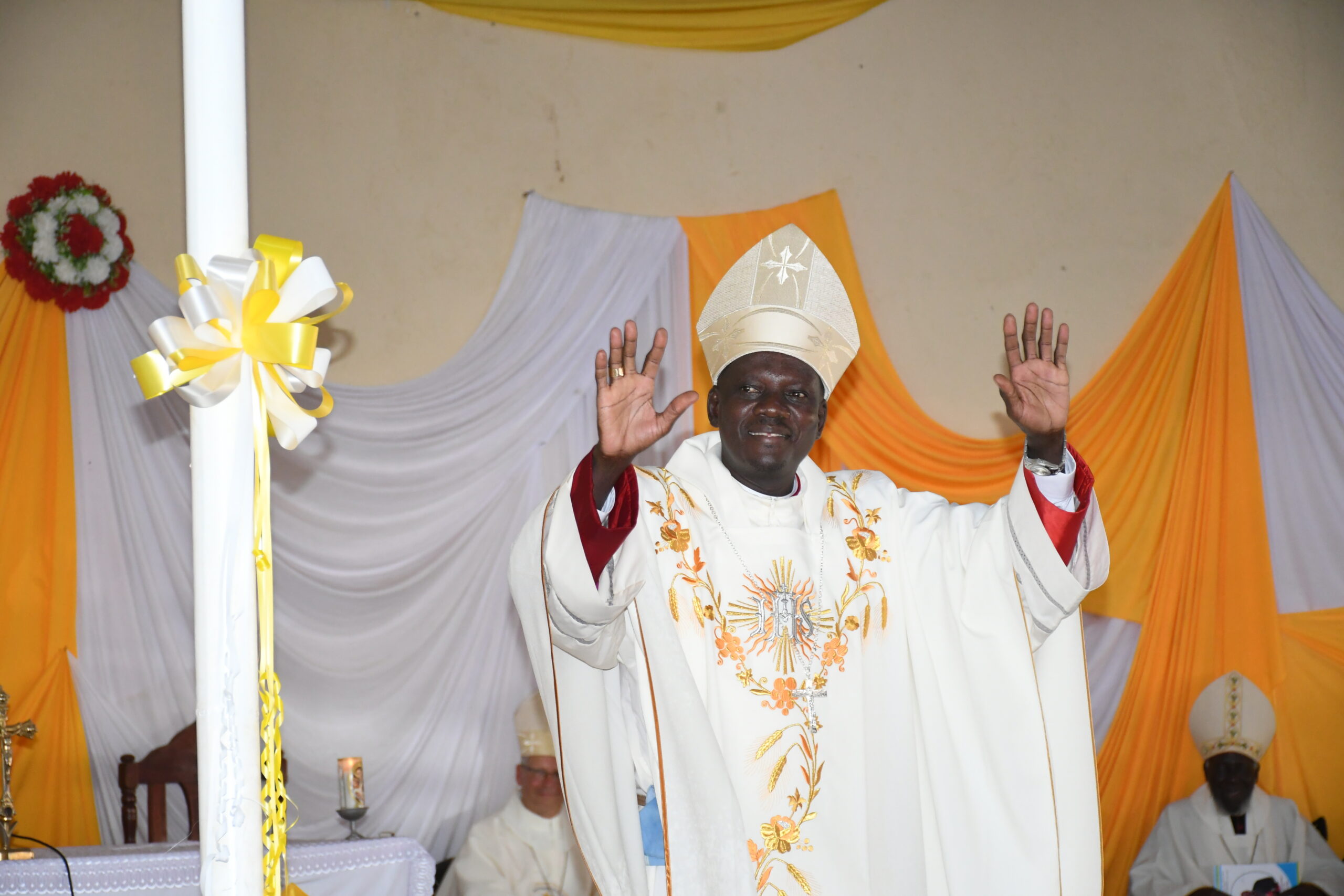
The Bishop of the Catholic Diocese of Torit has urged Christian leaders serving communities in Eastern Equatoria and South Sudan at large to reject conflicts that contribute to suffering among citizens.
In a statement to Radio Emmanuel 89 FM, Rt. Rev. Bishop Emmanuel Bernardino Lowi Napeta, Bishop of the Catholic Diocese of Torit, expressed disappointment over the involvement of some Christian leaders and government officials in actions that fuel conflict at the grassroots level.
His Lordship Bishop Emmanuel said it is paramount for leaders to act peacefully to create a peaceful environment.
“I would like to challenge government officials, maybe church people who are really Catholic and Christian generally. That is just shameful for a Christian to be the cause of war and destruction. Because like Matthew 5:9 clearly, blessed are peacemakers who shall be called children of God. So, children of God should resemble their father. And so, whoever in the government official, maybe the ministers or whoever, even our president, our prayer always to all of them. Really to work for peace, not enough to pray for peace. And to give all our ambitions, personal ambitions, we still have to live it. We need to think for the common good of our people.”
Bishop Lowi also encouraged leaders to address food shortages and the broader economic crisis that has worsened the lives of vulnerable communities in the state and the country at large.
He identified hunger and the current economic crisis as major challenges facing South Sudan.
“All these things happening, these are signs that all of us, whether the church or the government, maybe we need to do more than what we used to do. We need to come out from our comfort zone to think of these poor people. So maybe God is talking to us through them. We need to come out from our routine. We need to think how to help people, first of all, to eat. Our major problem now is food. Because when food is not at the table, what do you expect somebody to do? So that’s my message to the government. I know they are doing a lot and they are not alone. The challenge they are going through now, they are really powerful. But I’m sure once they really reconcile, they come together, we shall do better. And this South Sudan will be a better place, really.”
The Catholic prelate further warned against the growing influence of tribalism, which he said has affected the country’s diversity, calling on citizens to reject negative influences through prayer.
“We should not expect somebody coming from somewhere to provide for us what we need. Our place here is fertile. Our land is good. Our people are peaceful. So, we need to bring the mindset that brings us together as one family. And this issue of tribalism seems to be taking root. We are becoming naive to the point we limit ourselves to our tribe. Instead of exploring the beauty of the diversity, we should not copy others because here we copy anything and we are fragile human beings; we can be influenced by anything. Follow Jesus, follow your faith and then do what you think God will be happy when he sees you doing it. Respect everybody, but follow only God.”
Bishop Lowi called for stronger cooperation, reconciliation and collective responsibility among leaders and citizens, saying peace is not achieved through words and prayers alone, but through attitudes and actions that promote unity among people in the state and the country at large.