

By: Ginaba Lino
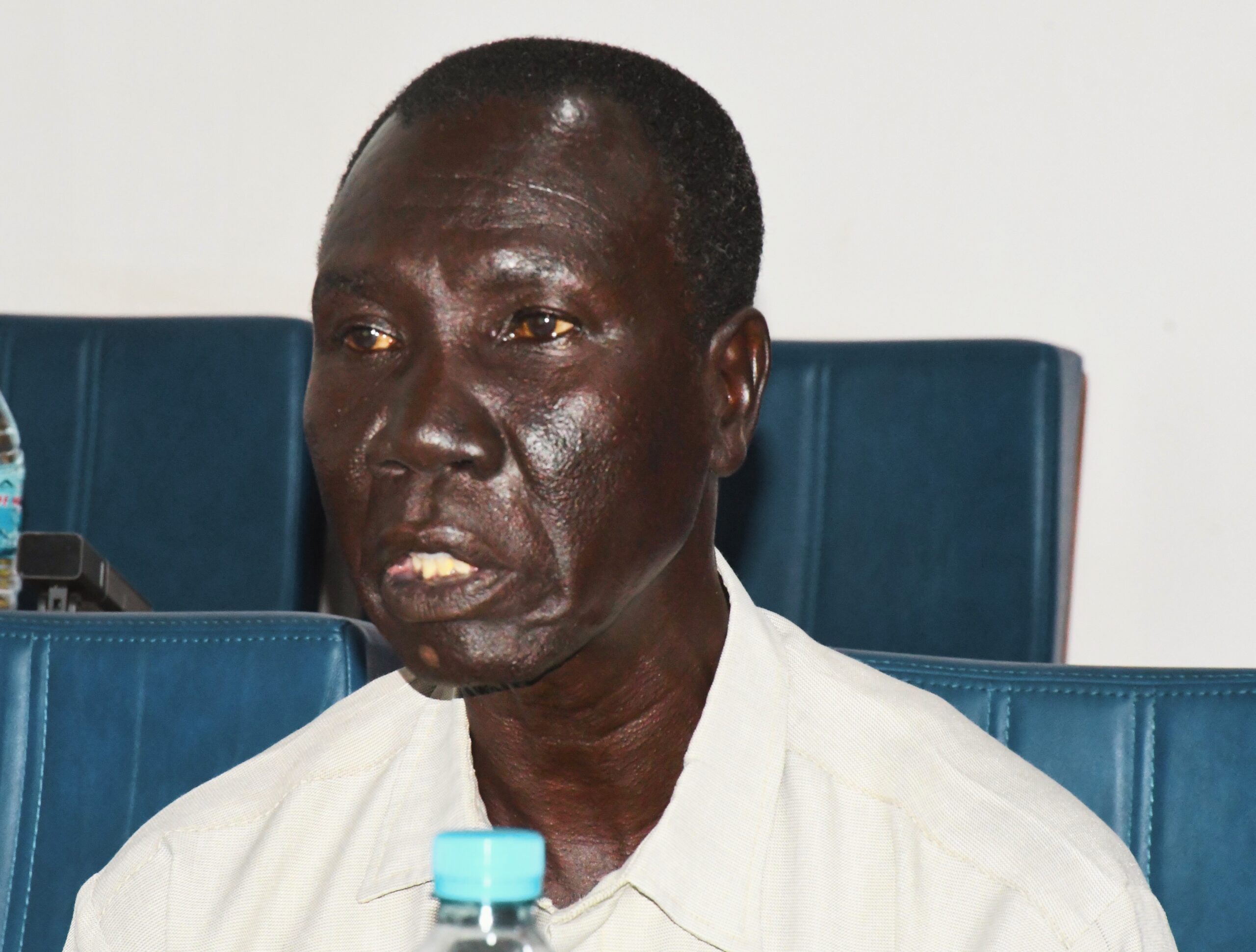
A representative of Maban community Rev. Andrew Yenti Bashir, has called on the government to clarify the distribution of oil revenues to producing communities and address what he described as disparities in allocations among counties in northern Upper Nile.
Bashir made the appeal during a meeting of the Revitalized Transitional National Legislative Assembly Standing Specialized Committee on Petroleum, where he raised concerns over the management and distribution of funds allocated to communities in oil-producing areas.
He acknowledged the importance of the three percent share provided to oil-producing communities, saying the funds have contributed to development programmes and should be appreciated.
“We are one of the oil-producing communities benefiting from the three percent given to us for development programmes in the community, which is very good, and we thank God for that,” Bashir said.
However, he said communities lack sufficient information about how the allocations are calculated, released and distributed by the Ministry of Petroleum.
Bashir urged the ministry and relevant authorities to simplify the process and provide clear information to communities so they can understand how much money is allocated to them and the purpose for which the funds are intended.
“The clarity of these allocations from the Ministry of Petroleum, the modality and how it is done, we have no idea,” he said. “We really want things to be simplified so that we know exactly what comes to us and for what.”
He also questioned the distribution of oil proceeds among counties in northern Upper Nile, particularly Maban, Renk and Malut, which are located within the oil-producing region.
According to Bashir, Malut County receives 55 percent of the oil proceeds allocated to communities, while Maban and Renk were initially allocated a combined five percent.
He said a decision by a former governor later resulted in the portion allocated to Maban and Renk being distributed among all 13 counties, while Malut’s 55 percent share remained unchanged.
Bashir questioned the fairness of maintaining such a difference in allocations among communities located in the same oil-producing region.
“Malut is taking 55 percent of the oil proceeds given to the communities, while Maban and Renk were given five percent to be divided between the two,” he said.
He added that the subsequent decision to distribute the Maban and Renk share among all 13 counties had further reduced the benefit reaching the two communities.
“So where is the justice here?” he asked, calling for government intervention to review the allocation arrangements.
The Maban representative urged the government to establish a transparent and understandable system for distributing oil revenues, particularly to communities directly affected by oil production.
He said greater transparency would enable communities to understand their entitlements, monitor the use of funds and ensure that oil revenues contribute meaningfully to local development.
Bashir said the community is not opposed to the sharing of oil revenues but is seeking fairness, clarity and consistency in the system.
“We, as a community, are seeking help from the government on these modalities of oil allocation and why there is disparity in allocations,” he said.
He called on the National Legislative Assembly and the Ministry of Petroleum to provide clear explanations on the existing allocation formula and consider reviewing arrangements that communities believe are inequitable.
The concerns come amid continued calls for greater transparency and accountability in the management of South Sudan’s oil resources, particularly regarding the benefits reaching communities in producing areas.