

 per capita to $11,628 by 2061 if it invests in education, health, youth empowerment, and economic reforms, a senior United Nations official has said.)
By Ginaba Lino
South Sudan could increase its Gross Domestic Product (GDP) per capita to $11,628 by 2061 if it invests in education, health, youth empowerment, and economic reforms, a senior United Nations official has said.
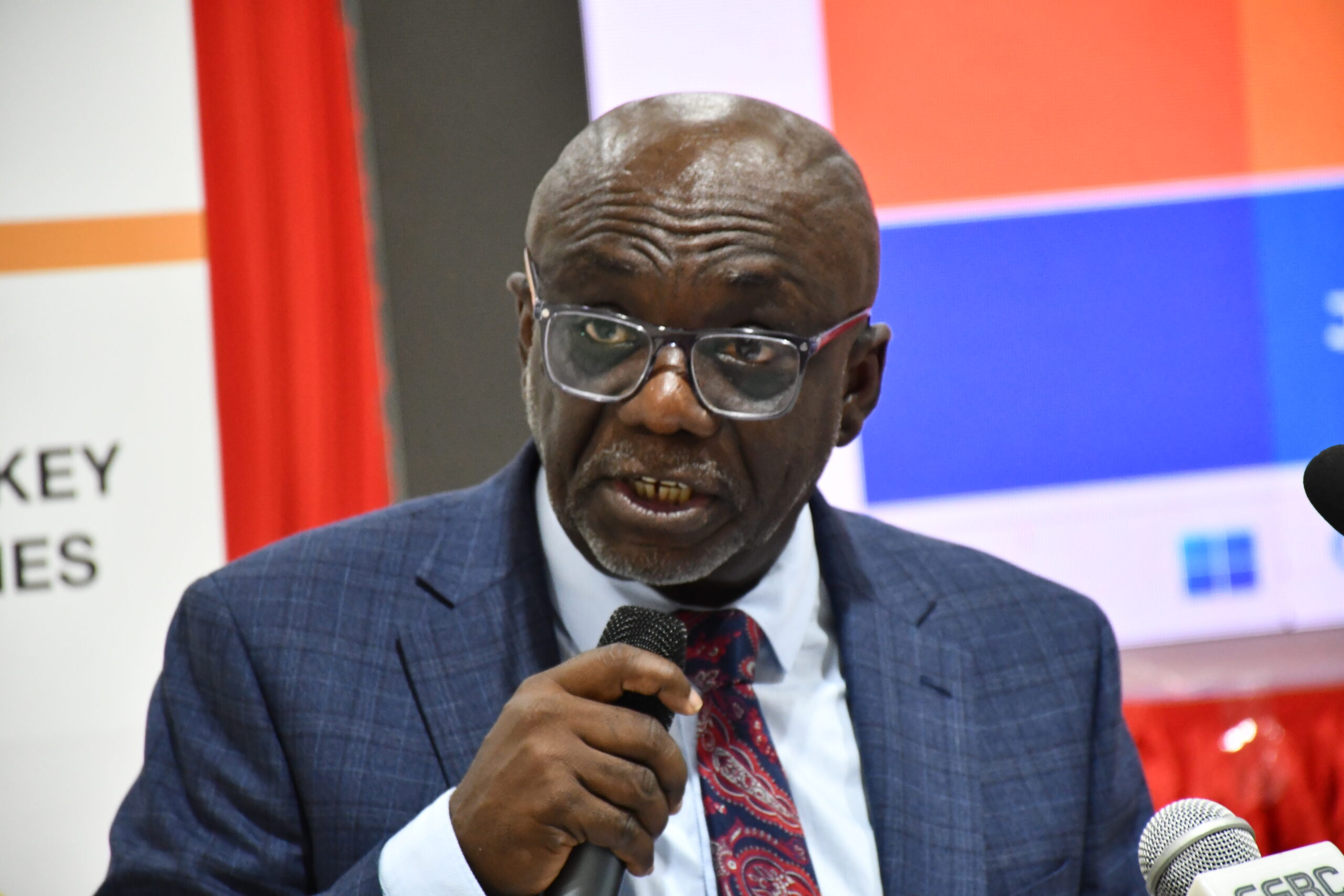
Speaking during the 2026 World Population Day High-Level Dialogue in Juba, George Otoo, Head of Strategic Planner at the UN Resident Coordinator’s Office, said the country’s demographic future depends on policy choices made today.
The event was organized by the Government of South Sudan with support from UNFPA under the theme: “Harnessing Demographic Intelligence for the Realization of the Hopes and Aspirations of Young People – Today and for the Future.”
Otoo said South Sudan’s population is currently estimated at 16 million and is projected to reach 20 million by 2030. Nearly 72 percent of the population is under the age of 30, presenting both opportunities and challenges for development.
He noted that the country currently faces a high dependency ratio of 119 dependents for every 100 working-age people, placing significant pressure on families and the economy.
However, demographic modeling shows that a combination of economic reforms, expanded access to education, voluntary family planning, and sustained good governance could reduce the dependency ratio to 57 dependents per 100 working-age people by 2061.
“By making this simultaneous investment, we can drastically reduce our dependence ratio to 57 dependents per 100 working-age people and propel our GDP per capita to $11,628 by 2061,” Otoo said.
He highlighted low school completion rates, child marriage, adolescent pregnancies, displacement, and climate-related shocks as major barriers preventing young people from reaching their full potential.
Otoo called on government ministries, development partners, civil society, and the private sector to make concrete commitments toward improving education, reproductive health services, vocational training, and youth employment.
He said the United Nations remains committed to supporting South Sudan’s transition from humanitarian response to sustainable development, emphasizing that investing in young people is essential to building a peaceful, resilient, and prosperous nation.