


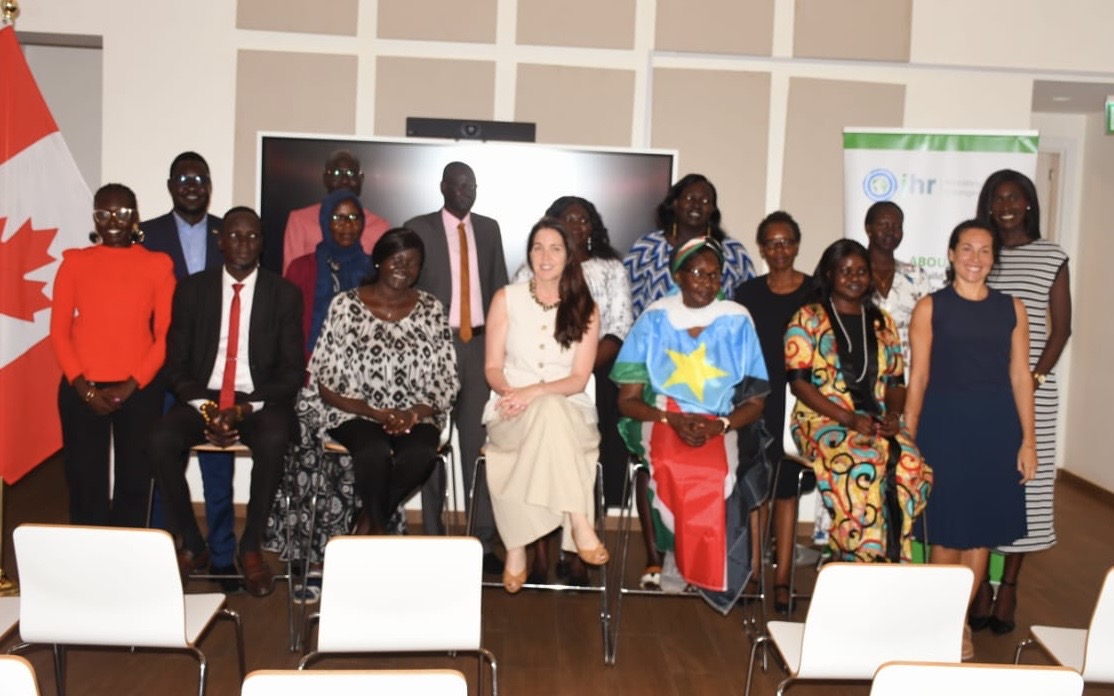
The Government of Canada has reaffirmed the importance of media freedom in South Sudan, describing it as a critical foundation for peace, accountability, and democratic governance.
The Embassy of Canada in South Sudan marked World Press Freedom Day 2026 by hosting a high-level dialogue in partnership with Journalists for Human Rights. The event brought together diplomats, journalists, media practitioners, and civil society actors to reflect on the role of independent journalism in the country’s peace process.
Participants noted that the discussions come at a critical time for South Sudan, as the country continues to navigate a fragile political and security environment. They emphasized that access to accurate information, public trust, and inclusive civic participation are essential to building lasting peace.
Speaking at the event, Canadian Ambassador to South Sudan Joanne Minns stressed the urgency of protecting independent media.
“South Sudan finds itself at a critical juncture, where hard-won gains remain fragile and trust between citizens and institutions is under strain. At moments like this, access to accurate, independent information is essential,” she said.
Under the 2026 global theme, “Shaping a Future at Peace: Promoting Press Freedom for Human Rights, Development, and Security,” participants explored how a free and safe media environment can strengthen accountability and counter misinformation and disinformation.
Ambassador Minns further noted that media freedom should be seen as a prerequisite for peace, not a result of it.
“A free and independent media is not something that comes after peace, it is a foundation for peace. Where journalists can work freely, societies are more resilient and better equipped to address challenges through dialogue rather than conflict,” she added.
The dialogue also recognized the efforts of South Sudanese journalists, who continue to report under challenging conditions on issues such as governance, human rights, and peace implementation. Their work was described as vital to promoting transparency, accountability, and inclusive public discourse.
Canada reaffirmed its commitment to supporting media development in South Sudan, highlighting its partnership with Journalists for Human Rights as part of broader efforts to promote ethical and responsible journalism.
Participants used the forum to assess both progress and ongoing challenges in the media sector, while identifying practical steps to strengthen press freedom and civic space in the country.
They concluded that independent and credible journalism remains central to sustaining South Sudan’s peace process by informing citizens, encouraging accountability, and creating space for dialogue during periods of tension.
The Government of Canada has reaffirmed the importance of media freedom in South Sudan, describing it as a critical foundation for peace, accountability, and democratic governance.
The Embassy of Canada in South Sudan marked World Press Freedom Day 2026 by hosting a high-level dialogue in partnership with Journalists for Human Rights. The event brought together diplomats, journalists, media practitioners, and civil society actors to reflect on the role of independent journalism in the country’s peace process.
Participants noted that the discussions come at a critical time for South Sudan, as the country continues to navigate a fragile political and security environment. They emphasized that access to accurate information, public trust, and inclusive civic participation are essential to building lasting peace.
Speaking at the event, Joanne Minns stressed the urgency of protecting independent media.
“South Sudan finds itself at a critical juncture, where hard-won gains remain fragile and trust between citizens and institutions is under strain. At moments like this, access to accurate, independent information is essential,” she said.
Under the 2026 global theme, “Shaping a Future at Peace: Promoting Press Freedom for Human Rights, Development, and Security,” participants explored how a free and safe media environment can strengthen accountability and counter misinformation and disinformation.
Ambassador Minns further noted that media freedom should be seen as a prerequisite for peace, not a result of it.
“A free and independent media is not something that comes after peace—it is a foundation for peace. Where journalists can work freely, societies are more resilient and better equipped to address challenges through dialogue rather than conflict,” she added.
The dialogue also recognized the efforts of South Sudanese journalists, who continue to report under challenging conditions on issues such as governance, human rights, and peace implementation. Their work was described as vital to promoting transparency, accountability, and inclusive public discourse.
Speaking at a roundtable in Juba organized by Journalists for Human Rights, AMDISS Director Ayaa Irene cited ongoing challenges, including intimidation, harassment, and confiscation of journalists’ equipment.
Meanwhile, Stephen Omiri, CEO of Eye Media, welcomed the Media Authority’s support in Juba but called for stronger protection of journalists working in states and rural areas. He also raised concerns about the impact of the Cybersecurity and Computer Misuse Bill on media freedom.
Other participants used the forum to assess both progress and ongoing challenges in the media sector, while identifying practical steps to strengthen press freedom and civic space in the country.
Canada reaffirmed its commitment to supporting media development in South Sudan, highlighting its partnership with Journalists for Human Rights as part of broader efforts to promote ethical and responsible journalism.