


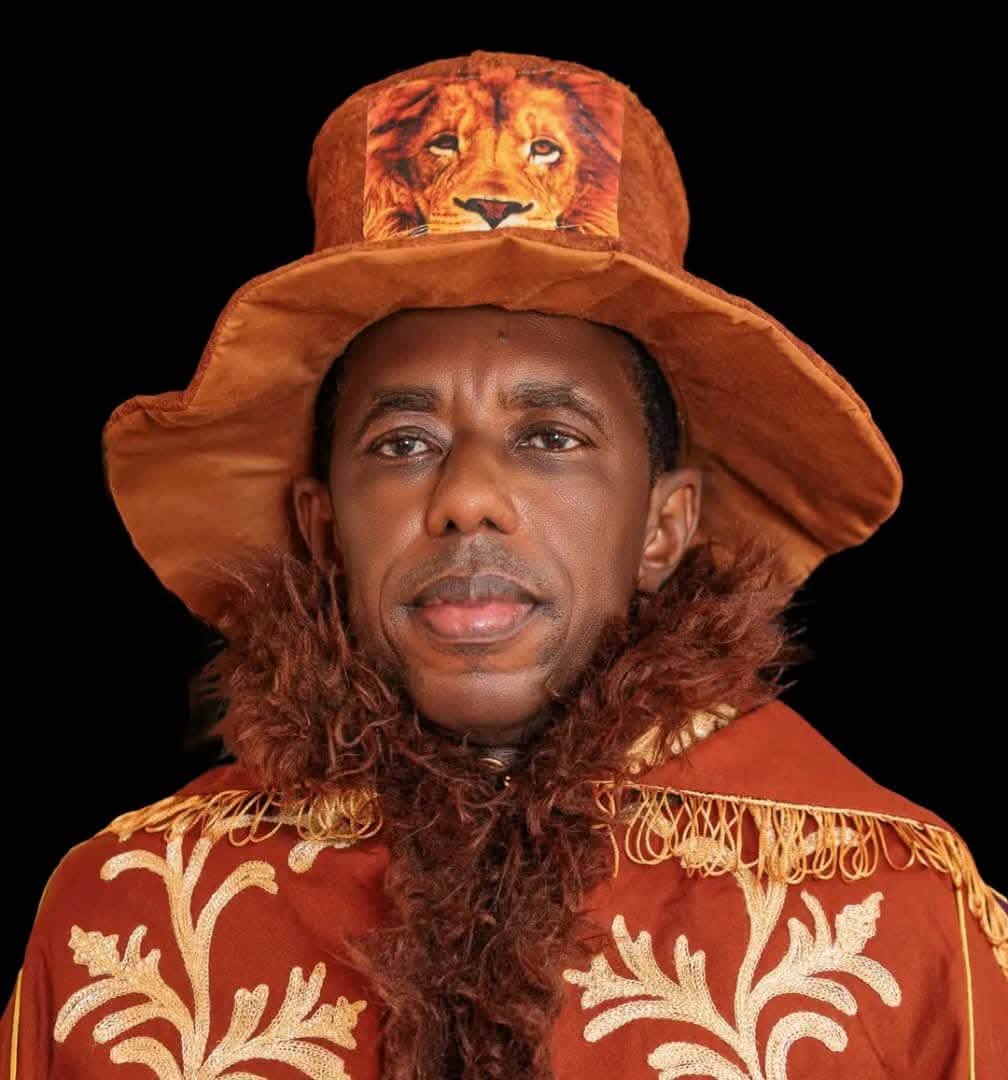
By Ginaba Lino
His Majesty Atoroba Peni Rikito, King of the Azande Kingdom, has called on South Sudanese to embrace cultural identity, strengthen national unity and preserve traditional values, saying the restoration of the Azande Kingdom represents a broader revival of African heritage.
Speaking during the two-day Azande Cultural Festival in Juba, King Atoroba said the celebration is not exclusively for the Azande community but an opportunity for all South Sudanese to appreciate their diverse cultures and strengthen peaceful coexistence.
“What we are doing today, it is not only for the Zande people. It is for you. It is for us,” the King said, explaining that the festival was organised to bring communities together and celebrate their shared cultural heritage.
He said the Azande Kingdom had historically stood against colonial forces to defend its people, territory and other African communities, but its authority and traditional structures were weakened following colonial divisions.
According to the King, the 1884 Berlin Conference contributed to the division of the Azande people across three countries, weakening their traditional kingdom and cultural institutions.
He recalled that the restoration of the kingdom had been a long-standing aspiration following South Sudan’s liberation struggle and independence.
King Atoroba said he personally approached President Salva Kiir Mayardit in 2022 to request the restoration of the kingdom, recalling an earlier commitment that traditional institutions destroyed during colonial rule would be restored.
He thanked the President for supporting the restoration, describing it as the revival of cultural institutions rather than a political undertaking.
“It is not restoration of politics. It is the restoration of our cultures and customs that was destroyed by the whites and the brown people,” he said.
The King also recognised Dr. Benjamin Barnaba Maria and Atilia Haizaza for their efforts in advocating for the restoration of the Azande Kingdom.
He said the festival in Juba was organised partly to appreciate South Sudanese communities and neighbouring countries that supported the liberation struggle, which eventually led to independence and the restoration of the kingdom.
Addressing the Azande community living in Juba, King Atoroba urged residents to maintain peace, strengthen unity and preserve their ancestral languages, customs, traditional names and indigenous practices.
He outlined peace, unity and the restoration of cultural values among the guiding pillars of the kingdom, stressing that ethnic divisions were undermining efforts to build a united nation.
“Let us identify ourselves as South Sudanese to have power and strength to build this country we fought for,” he said.
The King expressed concern that some young Azande people were gradually losing their indigenous languages and cultural practices, particularly as they grow up away from their ancestral communities.
He urged parents to teach their children their mother tongue, traditional customs, food and dress, saying cultural identity should be passed from one generation to another.
He also encouraged the community to promote indigenous agricultural practices and traditional foods, arguing that cultural restoration should extend beyond ceremonies to everyday life.
He further called on Azande people living in Juba to respect traditional leaders, elders and government authorities while maintaining peaceful relationships with other communities.
The festival brought together government officials, traditional leaders, church representatives, cultural groups and members of different ethnic communities, including representatives of other kingdoms, to showcase South Sudan’s cultural diversity through traditional dances, music, dress and other cultural expressions.
King Atoroba said the gathering is an opportunity to strengthen relationships among communities and prepare younger generations to become responsible leaders while preserving their cultural heritage.