

 says.)
By: Ginaba Lino
Cuts in donor funding and humanitarian withdrawals are weakening South Sudan’s system, leaving patients to travel distances and reach hospitals with preventable conditions, Médecins Sans Frontières (MSF) says.
In Aweil, Northern Bahr el Ghazal State, functioning primary healthcare centres and units fell from 131 to 63 by January 2026, according to MSF. The organization says 71 facilities had closed, including the health centre serving Abuk Athak’s village.
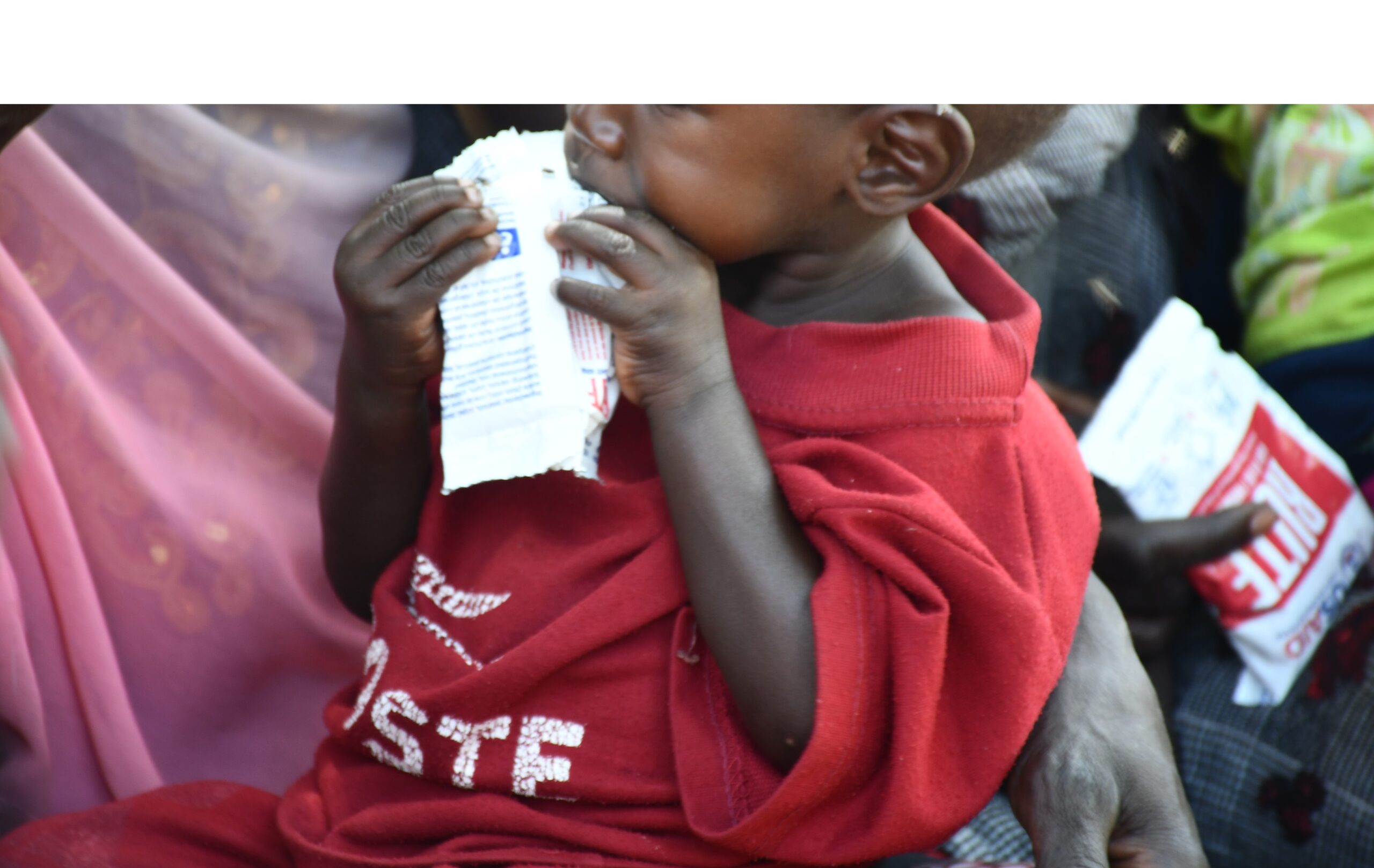
Abuk walked for two hours while in labour to reach Aweil State Hospital after the nearby center closed in February 2025. The baby survived. Eighteen months later, she returned with her son, Rau, who weighed six kilograms and was suffering from severe malaria and moderate acute malnutrition.
“Now, I am forced to wait until the very last moment to bring my children to the hospital, simply because I cannot afford the travel costs,” Abuk said.
MSF reports that admissions at Aweil State Hospital increased by 44 per cent between January and September 2026 compared with 2025. Admissions of children under five with severe acute malnutrition rose by 47 per cent, while deliveries with complications increased by 35 per cent.
In Akobo, Jonglei State, conflict and funding shortfalls have disrupted healthcare. After fighting in March 2026, Akobo Teaching Hospital was looted. MSF says it resumed emergency activities in May, but the hospital’s operating theatre remains closed.
The impact has been fatal. Nyamuoch Geng, eight months pregnant, died on 29 August after severe bleeding following childbirth. Her family carried her for two and a half hours to Akobo Hospital because their health unit had closed. An emergency evacuation flight did not arrive in time, MSF reports.
MSF warns that funding cuts risk leaving communities without healthcare, and calls for sustained support to prevent avoidable deaths.