


By Otto Abut
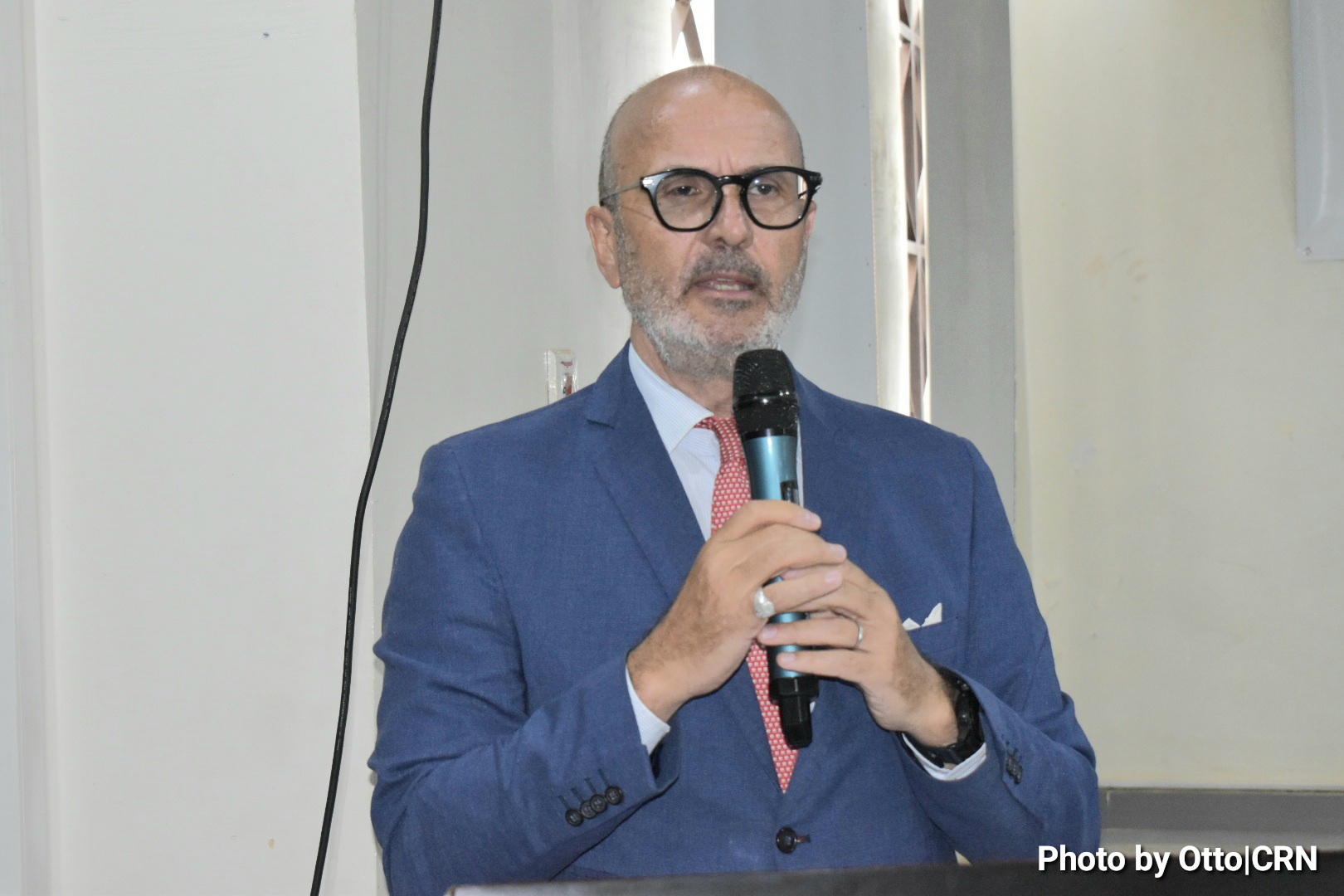
The Ambassador of Italy to South Sudan, Sam Fabrizi, has reaffirmed Italy’s commitment to supporting mental health and psychosocial services in South Sudan through a collaborative, multi-year initiative to strengthen healthcare systems and community awareness.
Speaking during a mental health event hosted at the University of Juba on Tuesday, May 19, 2026, Ambassador Fabrizi emphasized that while modern medicine has made significant progress in treating physical illnesses, mental health remains an area where the international community continues to face serious challenges.
He cited difficulties in diagnosing and treating mental illnesses, limited public awareness, and widespread social stigma as major barriers to effective care.
“Mental health is not something that happens only in this country,” he stated. “It happens all over the world in societies that are developed and less developed alike.”
He observed that countries affected by conflict, displacement, poverty, and instability face even greater mental health challenges, making it essential for governments and development partners to invest more resources and attention in the sector.
The ambassador highlighted Italy’s support through the Italian Development Cooperation, which is funding a three-year mental health project valued at 3.6 million euros. According to Ambassador Fabrizi, the initiative adopts an integrated and innovative approach that brings together individuals, communities, health systems, and institutions to address mental health concerns collectively.
He praised the active involvement of the Ministry of Health in implementing South Sudan’s first national mental health and psychosocial support strategy, describing the partnership as an important step toward building sustainable local capacity.
“This project is not intended to create a separate track,” he explained. “It is designed to work together with local institutions, particularly the Ministry of Health, authorities, and universities.”
Ambassador Fabrizi also acknowledged the contributions of regional and international partners participating in the initiative, emphasizing that mental health support requires cooperation from all stakeholders.
He therefore congratulated all organizations and individuals involved in the project and called for continued collaboration to ensure long-term progress.
“This is an ongoing effort and an ongoing project,” he said. “We still have a lot of work to do. Let us work together.”
The event underscored the growing recognition of mental health as a major public health priority in South Sudan and highlighted the importance of international partnerships in strengthening healthcare services and reducing stigma surrounding mental illness.
The event was attended by students, government officials, health professionals, civil society representatives, and development partners, who discussed effective approaches to improving mental health in South Sudan using evidence from the M(H)IND initiative.