


By Paride Wani Moses – Torit
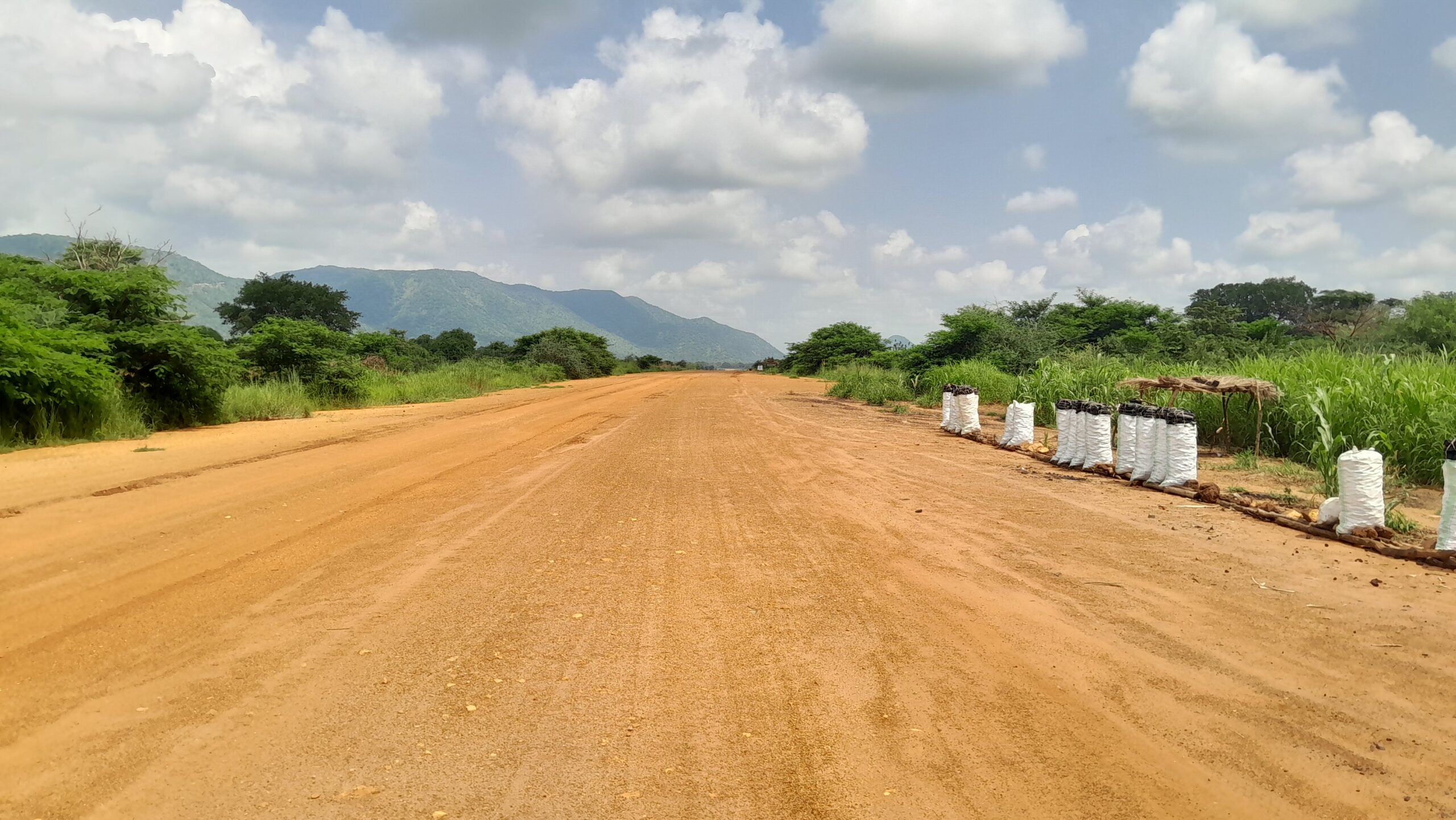
Residents of Nimule town in Eastern Equatoria State are increasingly turning to charcoal burning as a means of survival amid worsening economic hardship.
The Chairperson of the Business Community in Nimule, Mr. Moga Alfred, told Radio Emmanuel 89FM that rising food prices—driven in part by delays in the payment of civil servants’ salaries—have significantly affected both consumers and traders.
He added that global economic challenges have further worsened the situation, leaving many households struggling to meet basic needs.
“Generally, the situation in the market has changed. When you look at the global crisis, it has caused many challenges. The biggest problem we have now is the lack of cash circulation among the people. Civil servants and organized forces have gone for months, even years, without salaries. The market depends on money in people’s hands, but now there is none. As a result, charcoal burning has become the main source of income for many people here in Nimule. Some families are eating only once a day, while others goes without food.”
Mr. Moga called on both the state and national governments to create an enabling environment that allows citizens to engage in agriculture as a sustainable solution to the economic crisis. He also raised concerns over the country’s heavy reliance on imported goods.
“I would like to appeal to the government that what we need most is peace. Without peace, nothing will move forward. Our priority should be to achieve lasting peace so that people can fully engage in agriculture. Here in Nimule, even vegetables are mostly imported from Elegu in Uganda. Yet we have vast fertile land. Due to insecurity, people fear moving even 10 kilometers outside the town to cultivate. But we remain hopeful that the situation will improve.”
He further urged authorities to address the persistent destruction of crops by elephants, which continues to discourage farming in several areas.
“People are trying to engage in farming, especially in areas like Mugali, Pageri, Opari, and Moli. However, the issue of elephants remains a major challenge. In places like Aswa, Pageri, Arapi, and Opari, elephants frequently destroy crops. I am appealing to the relevant authorities, especially wildlife officials, to control the movement of these animals so that our people can cultivate freely.”
Mr. Moga emphasized that addressing insecurity, wildlife threats, and economic challenges is essential to restoring livelihoods and reducing dependence on charcoal burning in the area.