

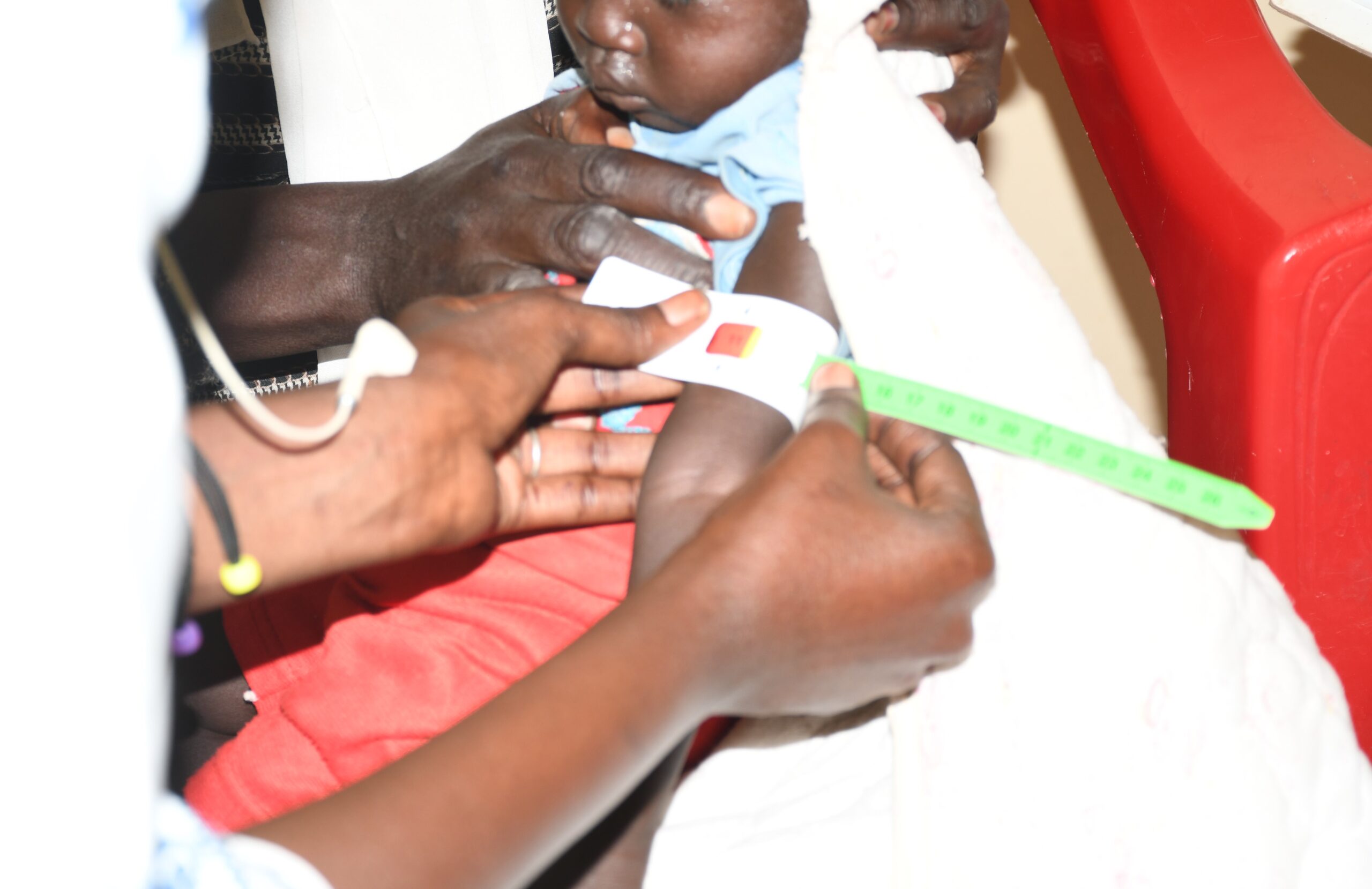
Malnutrition continues to pose a serious threat to children in Renk, Upper Nile State, as ongoing conflict in neighboring Sudan forces thousands of families to seek refuge in the area.
The influx of returnees and refugees has placed immense pressure on already limited resources, leaving many children vulnerable despite continued humanitarian assistance.
The crisis stems from the conflict that erupted in Sudan in April 2023, triggering widespread displacement across the region. Many families’ fleeing violence have arrived in Renk after long and difficult journeys, often with few or no resources.
As a result, access to adequate food and healthcare remains a daily struggle for both displaced populations and host communities.
At key service points such as Renk Transit Center and Abukadra Primary Health Care Centre, high rates of acute malnutrition persist. Limited food availability and inconsistent access to essential supplies continue to undermine efforts to improve child nutrition outcomes.
Humanitarian organizations, including UNICEF in partnership with GOAL and the State Ministry of Health, are providing critical nutrition services with support from the European Commission’s humanitarian aid funding.
These programs focus on delivering life-saving treatment to vulnerable children and women affected by malnutrition.
Currently, more than 1,200 children with severe acute malnutrition are receiving treatment at Abukadra Primary Health Care Centre, while over 3,500 children are enrolled in broader nutrition support programs across Renk.
For many families, these interventions have been life-saving. Mothers report noticeable improvements in their children’s health after accessing treatment. However, challenges remain, particularly with inconsistent availability of nutrition supplies, which disrupts continuity of care.
The experiences of displaced families highlight the severity of the situation. Many fled Sudan on foot, traveling for weeks under harsh conditions. While some previously had stable access to food, life in Renk has become uncertain, with families often surviving on one meal a day—or none at all.
Single mothers and widows face even greater hardship, struggling to care for malnourished children without adequate support. In addition to food insecurity, limited access to education and income opportunities further compounds their vulnerability.
Nutrition specialists warn that prolonged stays in transit centers are worsening conditions for displaced populations. Community-based initiatives, including outreach programs, mother-to-mother support groups, and local health volunteers, are helping identify and treat malnutrition cases, but resources remain overstretched.
As displacement continues, humanitarian actors emphasize the urgent need for sustained funding to maintain essential services and ensure a consistent supply of therapeutic nutrition products.
The situation in Renk reflects the broader regional impact of the Sudan conflict, which has displaced millions of people. With over a million individuals seeking refuge in South Sudan alone, the strain on local systems is significant.
Without increased international support and expanded food assistance, malnutrition among children in Renk is likely to remain a persistent and life-threatening challenge.