


By Otto Abut
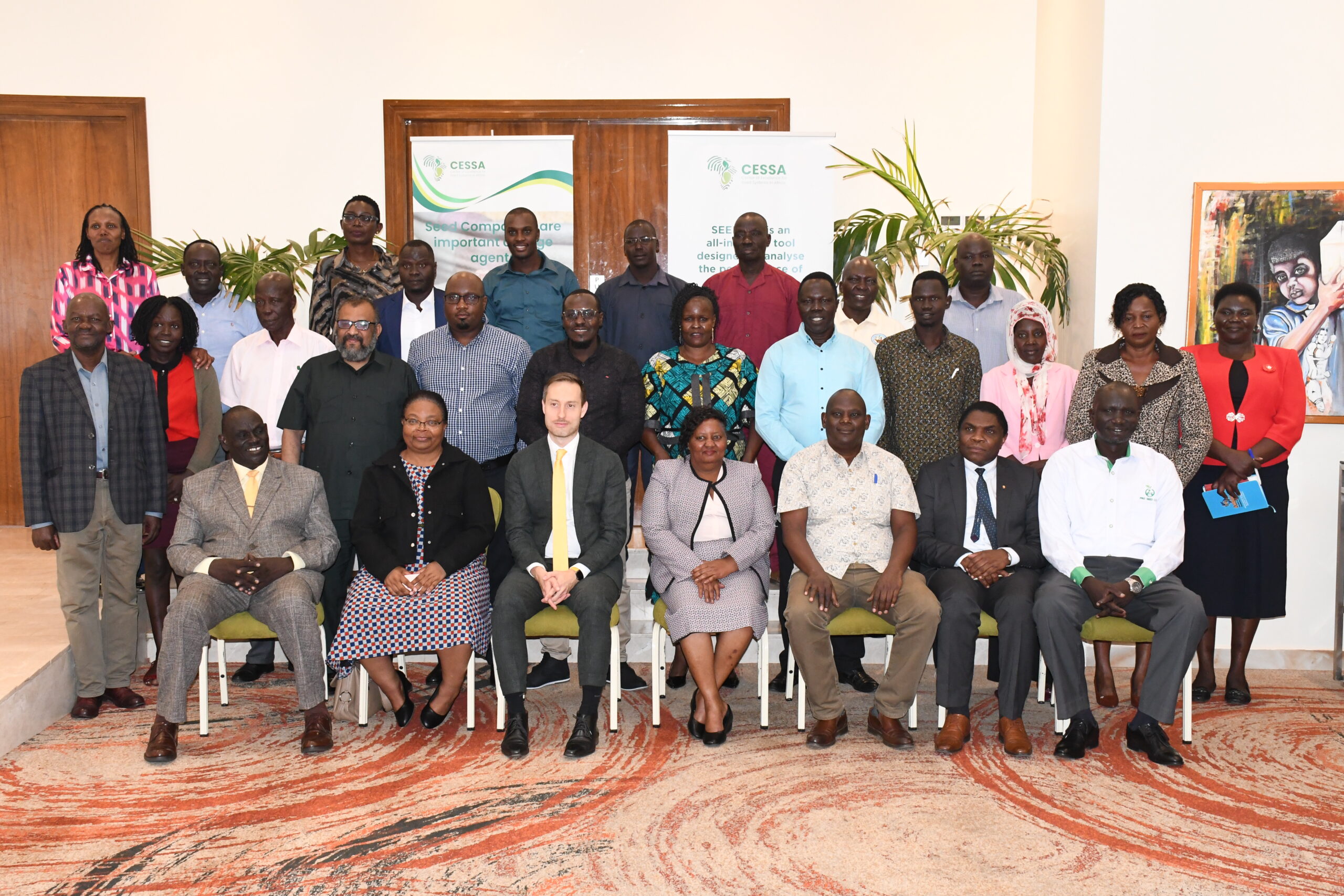
A three-day Inception and SeedSAT Stakeholders’ Socialization Meeting is currently underway in Juba, signaling a renewed push to strengthen South Sudan’s seed sector and boost national food security.
The initiative is led by the Alliance for a Green Revolution in Africa (AGRA), with financial support of $583,000 from the Royal Norwegian Embassy, and in collaboration with the Food and Agriculture Organization (FAO).
The funding will support a comprehensive assessment of South Sudan’s seed systems using AGRA’s SeedSAT tool, which will help map the national seed landscape and inform the development of a National Seed Investment Plan, guiding interventions through December 2025.
According to the Royal Norwegian Embassy, the project running from May 19 to December 1, 2025—aims to improve seed sector performance and competitiveness by focusing on capacity building for local seed companies to produce certified, high-quality seeds, including maize, sorghum, cowpea, beans, and rice.
Dr. Jane Indinda, Director of the Center of Excellence for Seed Systems in Africa (CESSA) and AGRA representative, emphasized that the initiative aligns with South Sudan’s broader goals for sustainable agriculture and rural economic growth.
“All seeds to be used will be locally produced and certified through South Sudan’s national regulatory authority to ensure traceability and quality,” said Dr. Indinda. “We are not talking about farmer-to-farmer exchanges. We are talking about certified seed with a quality mark.”
Initial implementation of the project will target agriculturally productive regions, specifically Equatoria, Lakes State, and Western Bahr el Ghazal.
Dr. Indinda also confirmed that AGRA has officially resumed operations in South Sudan, building on previous partnerships with the Netherlands Embassy, USAID, and the Howard G. Buffett Foundation.
As the three-day workshop continues, seed companies and stakeholders including Masco Seed, Green Orizon, and others have expressed optimism that this initiative will bridge existing gaps in South Sudan’s seed system and catalyze long-term agricultural transformation.