


By Ginaba Lino
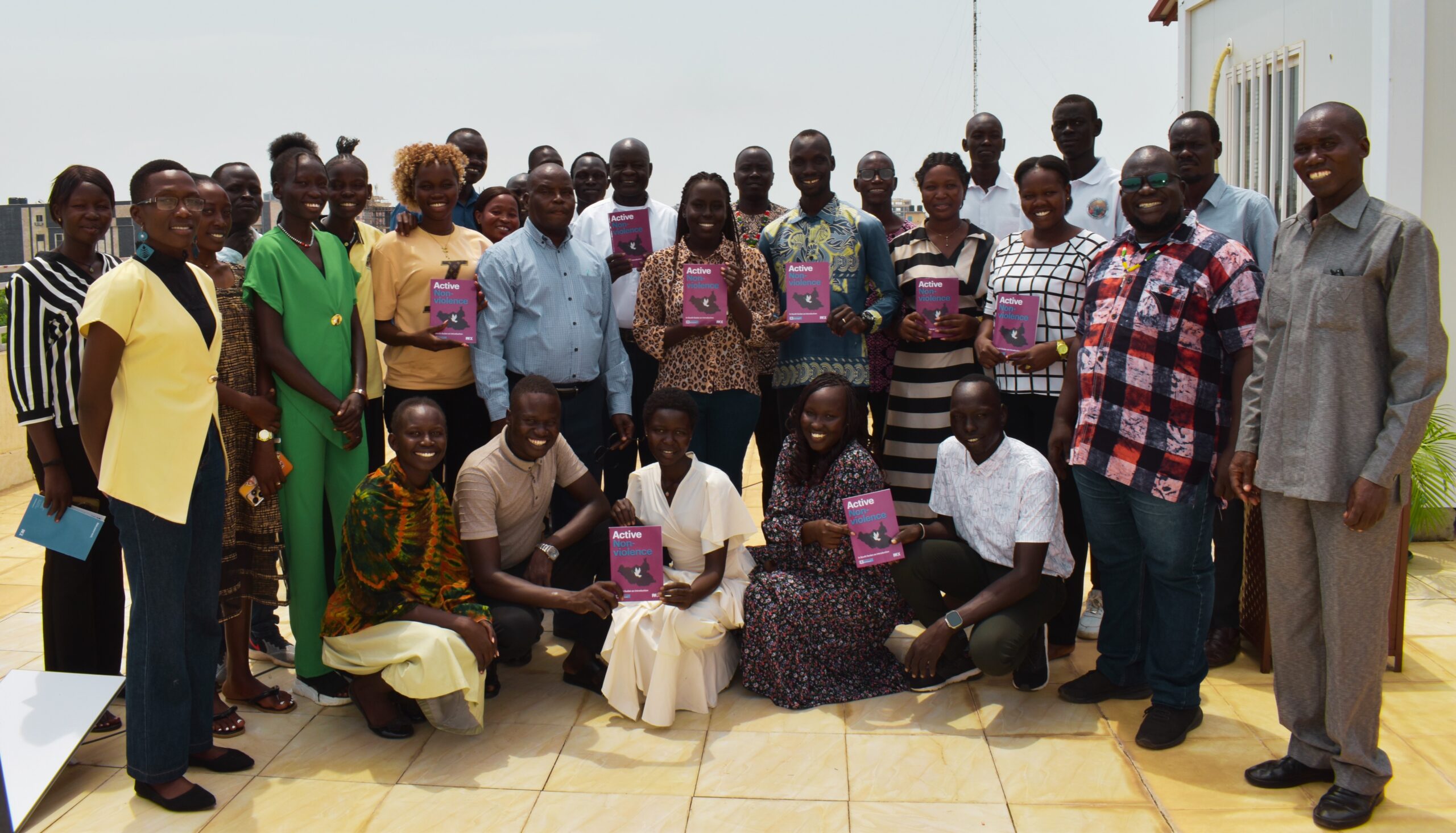
More than 30 young people from parishes across the Catholic Archdiocese of Juba are undergoing training in non-violent conflict resolution as part of efforts to strengthen youth participation in peacebuilding and peaceful coexistence.
The two-day workshop is organized by the Justice and Peace Coordination Office of the Sudan and South Sudan Catholic Bishops’ Conference (SSSBC), with support from Norwegian Church Aid (NCA).
The training focuses on conflict dynamics and analysis, anger management and effective communication. Participants are also being equipped with practical skills in dialogue, negotiation, mediation, problem-solving and community peacebuilding.
Speaking at the opening of the workshop, SSSBC Justice and Peace Coordinator Fr. John Opi encouraged the participants to use the knowledge gained to peacefully address conflicts within their families, parishes and communities.
“By the end of this workshop, we want you to understand what non-violence means, identify the causes of conflict and distinguish between violent and non-violent responses,” Fr. Opi said.
He said equipping young people with practical conflict-management skills could help them address disagreements among their peers without resorting to violence.
Fr. Opi explained that the training forms part of the programme, Together for Peace: Strengthening Conflict Transformation and Community Solidarity in South Sudan, supported by Norwegian Church Aid.
He urged participants to pass on the knowledge and skills acquired during the workshop to other young people in their respective parishes, saying wider understanding of peaceful conflict resolution could strengthen relationships and coexistence within communities.
Meanwhile, the Director of the Bureau of Religious Affairs, Moses Telar Cindut, challenged young people to translate Christian teachings on peace into practical action.
Cindut questioned the contradiction between the country’s strong religious identity and the persistent violence affecting communities.
“If we do not follow the teachings of the Bible and continue killing one another, what is the purpose of our training, preaching and praying?” he asked.
He urged young people to reject violence and criminal activities, including cattle theft, robbery and killings, and instead use dialogue and other peaceful approaches to address disputes.
Cindut stressed that peacebuilding requires more than attending workshops or listening to religious teachings, calling on participants to demonstrate what they have learned through their actions in their communities.
He also encouraged the youth to share the lessons from the workshop with others and use their knowledge and opportunities to contribute positively to society.
The initiative seeks to strengthen the role of young people as peacebuilders by equipping them with skills to resolve disputes peacefully, promote dialogue and strengthen relationships within their communities.