

 have been urged to uphold professional ethics, impartiality and public trust as South Sudan prepares for the December 2026 elections.)
By Otto Abut | CRN
Journalists under the Catholic Radio Network (CRN) have been urged to uphold professional ethics, impartiality and public trust as South Sudan prepares for the December 2026 elections.
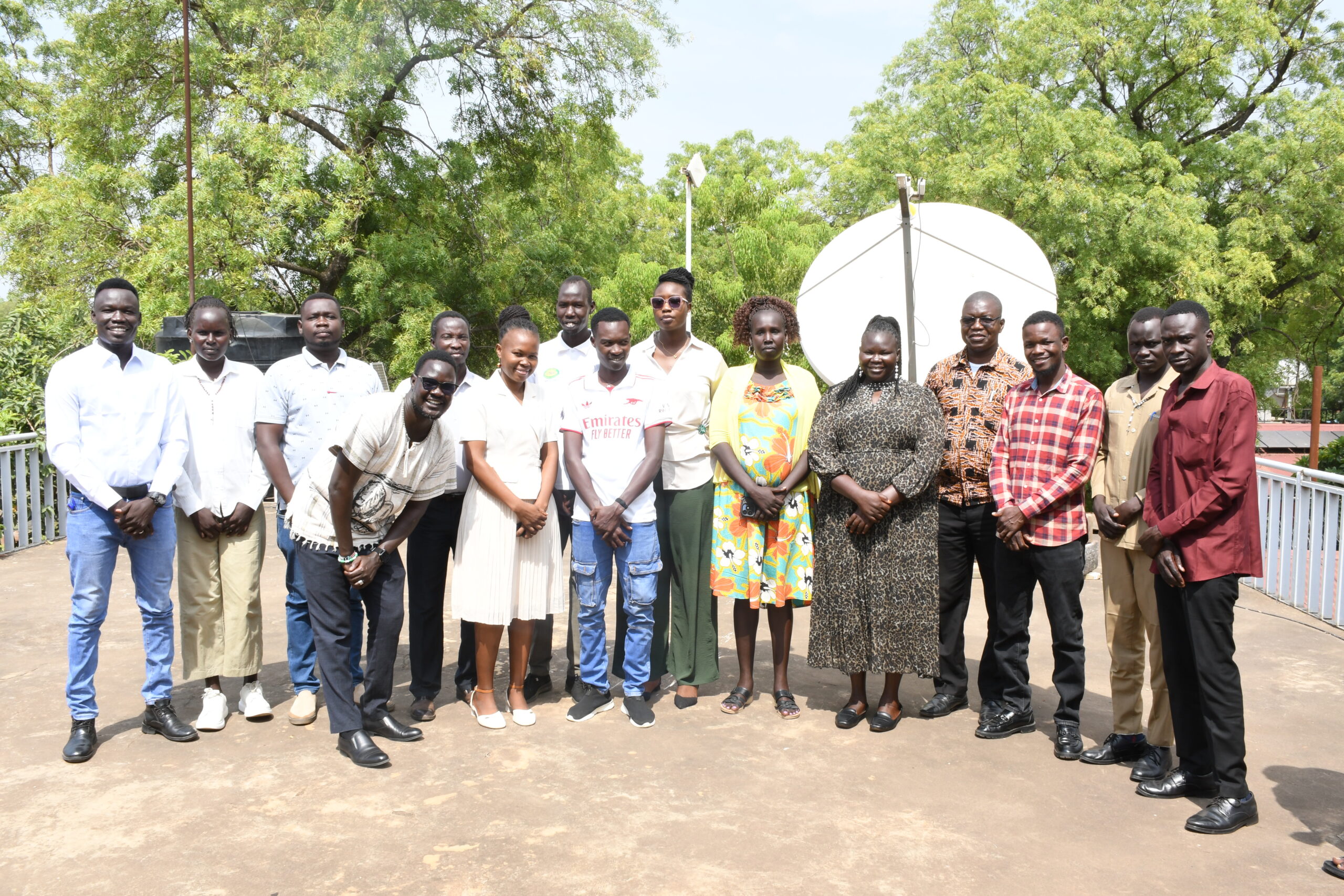
The call was made on Wednesday during a two-day inception workshop on election coverage and reporting in Juba.
Opening the training, the CRN Director, Fr. John Gbemboyo said elections present a critical responsibility for journalists, whose reporting can either contribute to peace and public understanding or fuel tensions.
The Director urged journalists to remain attentive and disciplined when covering the electoral process, noting that political pressure and public scrutiny require journalists to report accurately and responsibly.
“Communication can build, and communication can also destroy, especially at this particular moment,” the speaker said.
Journalists were also encouraged to ensure that their reporting reflects the voices of ordinary citizens, particularly vulnerable and marginalized groups.
Fr. John said media coverage should not focus exclusively on political leaders while overlooking the concerns of communities affected by political decisions.
“We need to have a preference to hear their voices about what is happening so that they feel part of the scene,” the Director said.
Meanwhile, the Director of the Association for Media Development in South Sudan (AMDISS), Ayaa Irene Lokang, urged CRN journalists to strictly observe professional ethics and the law during election reporting.
Irine said ethical journalism is essential for building public trust, protecting journalists and ensuring accountability.
She encouraged journalists to familiarize themselves not only with CRN’s editorial policy but also with South Sudan’s media code of ethics.
“Ethics are very important principles in journalism. First of all, it will help for public trust,” Lokang said.
She further challenged journalists to provide fair and balanced coverage to all contestants and stressed the importance of inclusive election coverage, urging journalists to give space to women, youth, persons with disabilities and other groups whose voices are often underrepresented.
She said voters have a right to hear the positions and programmes of different political parties before making their choices.
“If we do not bring the voices of all the political parties, then we are going to deny the public the right to choose their leaders,” she said.
AMDISS Director also cautioned journalists against allowing personal political preferences to influence their professional work.
She said journalists have the right to vote for candidates or parties of their choice but should keep their political affiliations separate from their journalism.
“If you want to join politics, then quit journalism and declare yourself as a party member,” she said. “If you are a journalist, be a journalist.”
Representing NPA, Maker Joyce said the media has a significant responsibility to provide citizens with accurate information, explain electoral choices, question those seeking public office and counter misinformation and disinformation.
She emphasized the importance of accuracy, fairness, impartiality, source verification and fact-checking throughout the electoral process.
“It’s not about who reports the quickest; it’s about who is giving the right information,” he said, warning that rumours can spread rapidly in the digital era.
The two-day training is focused on strengthening CRN journalists’ capacity in ethical and professional election reporting, promoting balanced and inclusive coverage, and addressing misinformation and disinformation ahead of the 2026 elections.