

By Otto Abut | CRN
Religious leaders in South Sudan have called for stronger cooperation among faith institutions to promote peace, social cohesion and reconciliation across the country.
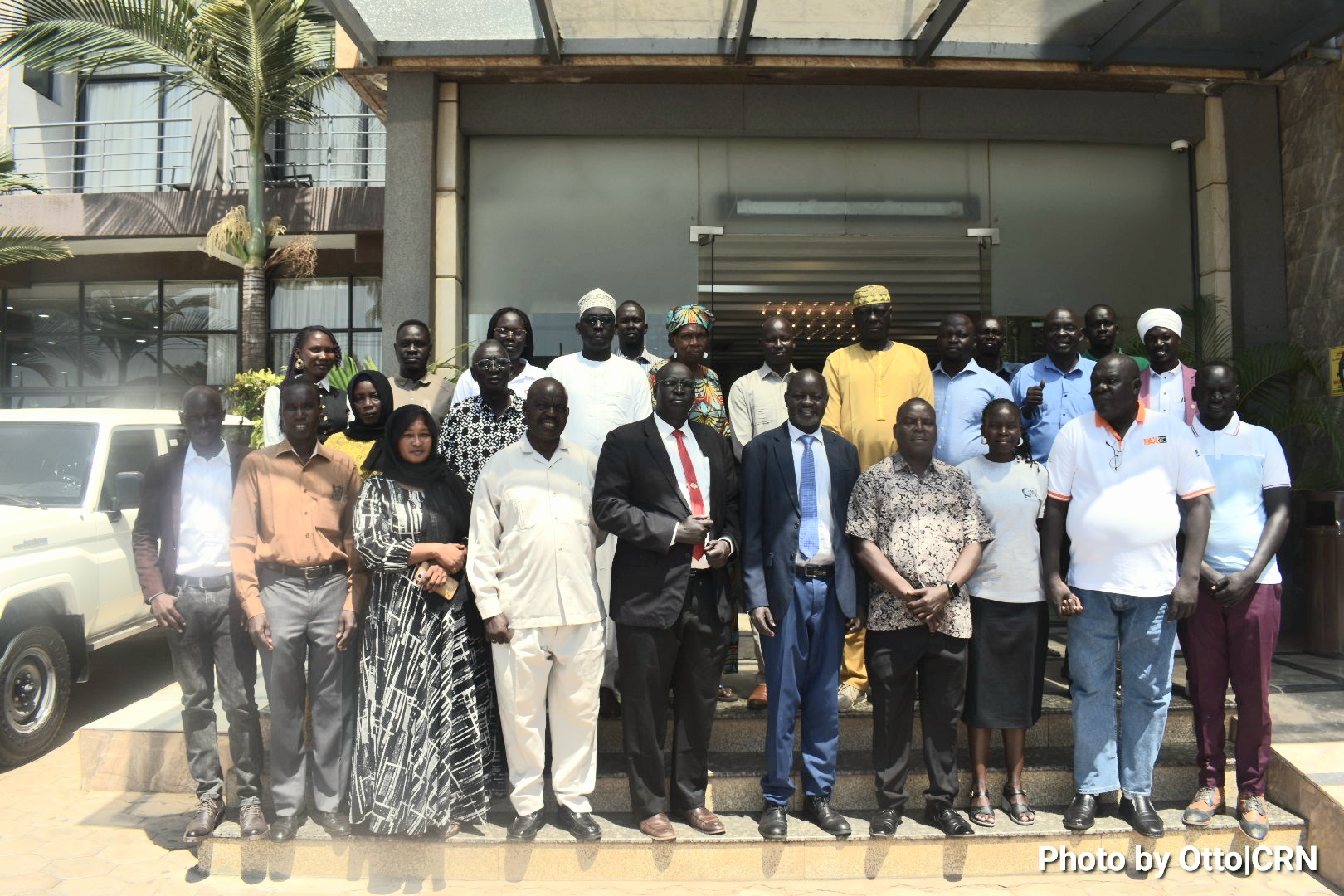
The call was made during the closing session of a multi-faith platform workshop organized by the Sudan and South Sudan Catholic Bishops’ Conference, with support from Catholic Relief Services (CRS). The workshop brought together representatives from the South Sudan Council of Churches, the Islamic Council of South Sudan, the Interreligious Council of South Sudan and other faith-based institutions.
The Coordinator for the Peace and Justice Commission at the Sudan/South Sudan Catholic Bishops’ Conference, Father John Opi Severino, said the participation of government representatives in faith-based activities had helped strengthen relations between the government and religious communities.
“All the interreligious groups are yearning for peace and are willing to work together. We need your support, we need your encouragement. Together with you, we shall do a lot,” Father Opi said.
He encouraged religious institutions to participate in one another’s programmes, saying greater interaction would promote mutual learning, solidarity and stronger social networks.
Sheikh Peter Yai, a senior leader within the Interreligious Council of South Sudan, stressed that religious leaders have a responsibility to guide communities towards genuine and sustainable peace.
“We need to talk about cohesion more and more in South Sudan because we, as religious leaders, are the ones who can guide our people to real and genuine peace.”
Sheikh Yai called on religious leaders to become ambassadors for peace throughout South Sudan, emphasizing that sustainable peace must begin at the grassroots rather than being imposed by political or external actors.
Women participants also called for greater inclusion of women in peacebuilding initiatives, highlighting their influence within families and communities.
Emoya Daniela, speaking on behalf of women participants from the South Sudan Council of Churches, said empowering women could help accelerate peace efforts.
“Women are peace and, when they’re empowered, they will always influence the community in terms of accelerating peace forward.”
Daniela said the Council of Churches remains open to partnerships and will explore ways in which multi-faith platforms can contribute to peacebuilding across South Sudan.
Hon. Rev. Moses Telal stressed that recent faith-based meetings should translate into practical cooperation. He cited previous initiatives, including the Faith in Action workshop and the launch of a policy initiative by the South Sudan Catholic Bishops’ Conference, as part of broader efforts to bring religious institutions together.
Rev. Tellan warned that religious organizations working separately would have limited impact.
“If we need ourselves to come together, instead of working sectorally, we will not achieve peace. But if we can come together, I think we can make peace.”
He called for religious institutions, including the Council of Churches, Islamic Council, Catholic Bishops’ Conference and religious affairs authorities, to coordinate their peacebuilding efforts rather than operating independently.
He further emphasized the collective responsibility of religious leaders to create channels through which experiences and knowledge from communities can inform national-level peace discussions.
The workshop concluded with a strong call for greater interfaith cooperation, meaningful participation of women, grassroots engagement and coordinated peacebuilding as South Sudan continues its search for lasting peace, reconciliation and social cohesion.