


By: Ginaba Lino
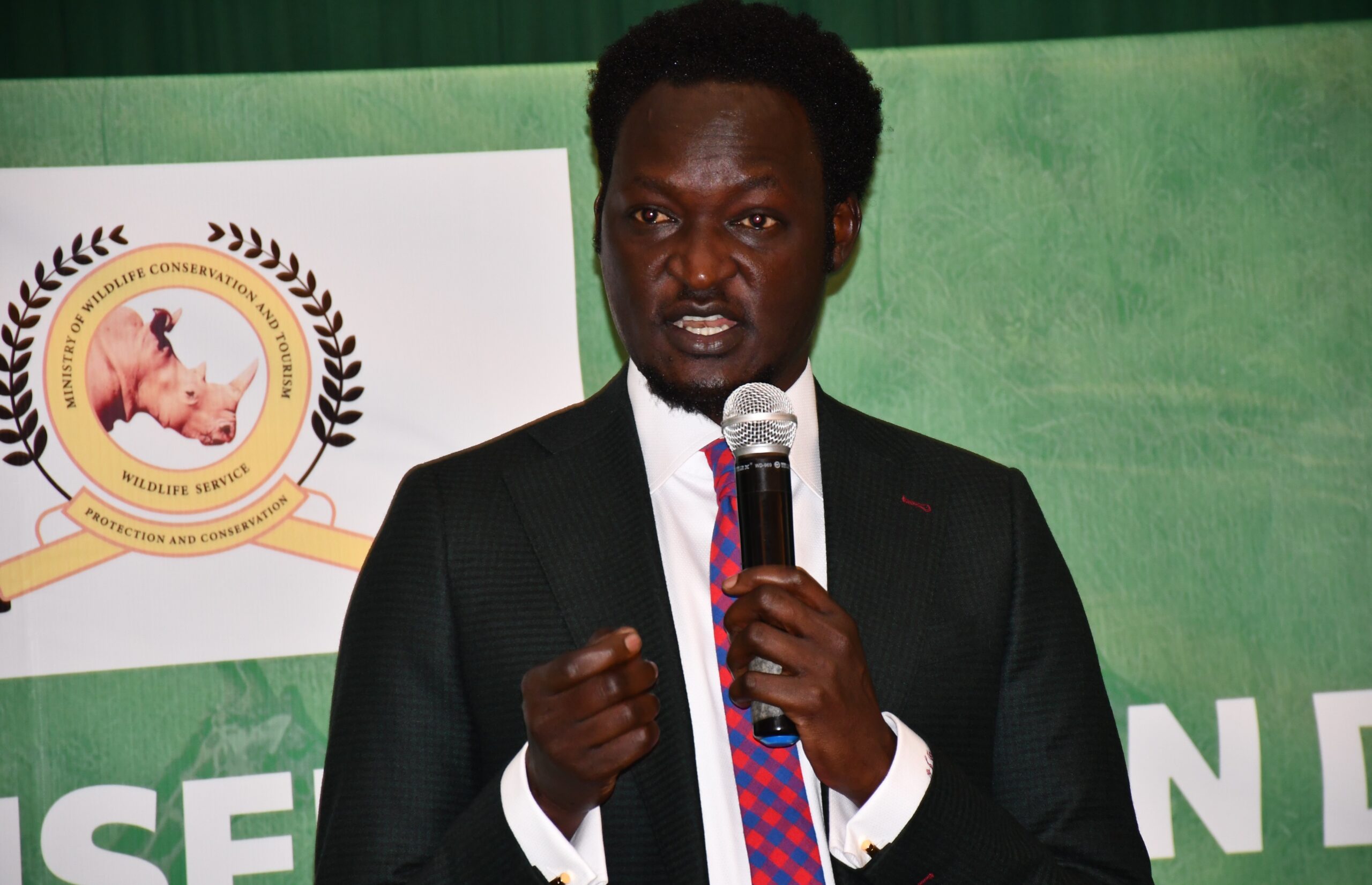
South Sudan’s Minister of Wildlife Conservation and Tourism has called on citizens to protect the country’s rich wildlife heritage, describing it as a God-given resource with the potential to transform the nation’s economy through tourism.
Speaking during the commemoration of World Nature Conservation Day in Juba under the theme, “Conserving South Sudan’s Natural Heritage with Focus on the Great Nile Migration Landscape,” Minister Denay Jock Chagor said South Sudan is home to the world’s largest mammal migration, a natural attraction capable of drawing tourists from across the globe.
“South Sudan is blessed with one of the greatest wildlife migrations in the world. This is a gift from God, and it is our collective responsibility to protect it for ourselves and for future generations.”
Minister Denay Jock Chagor compared South Sudan’s wildlife to South Africa’s iconic Table Mountain, arguing that while visitors pay to see famous landmarks abroad, the country’s vast wildlife migration offers an even greater opportunity if properly protected.
“People travel thousands of kilometers and spend huge amounts of money to see wildlife and natural attractions in other countries. We have something even more unique here in South Sudan, but we must conserve it if we want it to benefit our people,” he said.
He urged every citizen to play a role in protecting wildlife by discouraging poaching, preserving natural habitats and promoting environmental stewardship.
The minister lamented that many South Sudanese spend millions of dollars travelling abroad for wildlife tourism while similar, and even richer, attractions exist at home. He said investing in conservation would create jobs, generate sustainable revenue and reduce dependence on oil, noting that wildlife is a renewable resource capable of benefiting future generations.
“Oil will one day be exhausted, but wildlife, if protected, will continue generating income, creating jobs and supporting our economy for generations to come.”
The Speaker of the Revitalized Transitional National Legislative Assembly Joseph Ngere Paciko echoed the call, warning that poaching, deforestation and climate change continue to threaten South Sudan’s biodiversity.
The Speaker appealed to young people, noting that some have become involved in commercial poaching, and urged them to instead embrace wildlife conservation and ecotourism as pathways to employment and national development.
“Our young people should become guardians of our natural heritage, not destroyers of it. Conservation offers opportunities for jobs, tourism and sustainable development that can benefit the entire nation.”
Ngere stressed that protecting forests, rivers and wildlife is a shared national responsibility that requires the involvement of communities, government institutions, development partners and the private sector.
Both leaders appealed for a united national effort to safeguard South Sudan’s natural heritage, saying conservation is essential not only for preserving biodiversity but also for strengthening the country’s economy, national identity and long-term prosperity.