
, with support from the Max Planck Foundation and the Intergovernmental Authority on Development (IGAD), has launched a two-day civic education and public consultation workshop for members of the media as part of the ongoing constitution-making process ahead of South Sudan's December 2026 general elections.)
By: Ginaba Lino
The National Constitutional Review Commission (NCRC), with support from the Max Planck Foundation and the Intergovernmental Authority on Development (IGAD), has launched a two-day civic education and public consultation workshop for members of the media as part of the ongoing constitution-making process ahead of South Sudan’s December 2026 general elections.
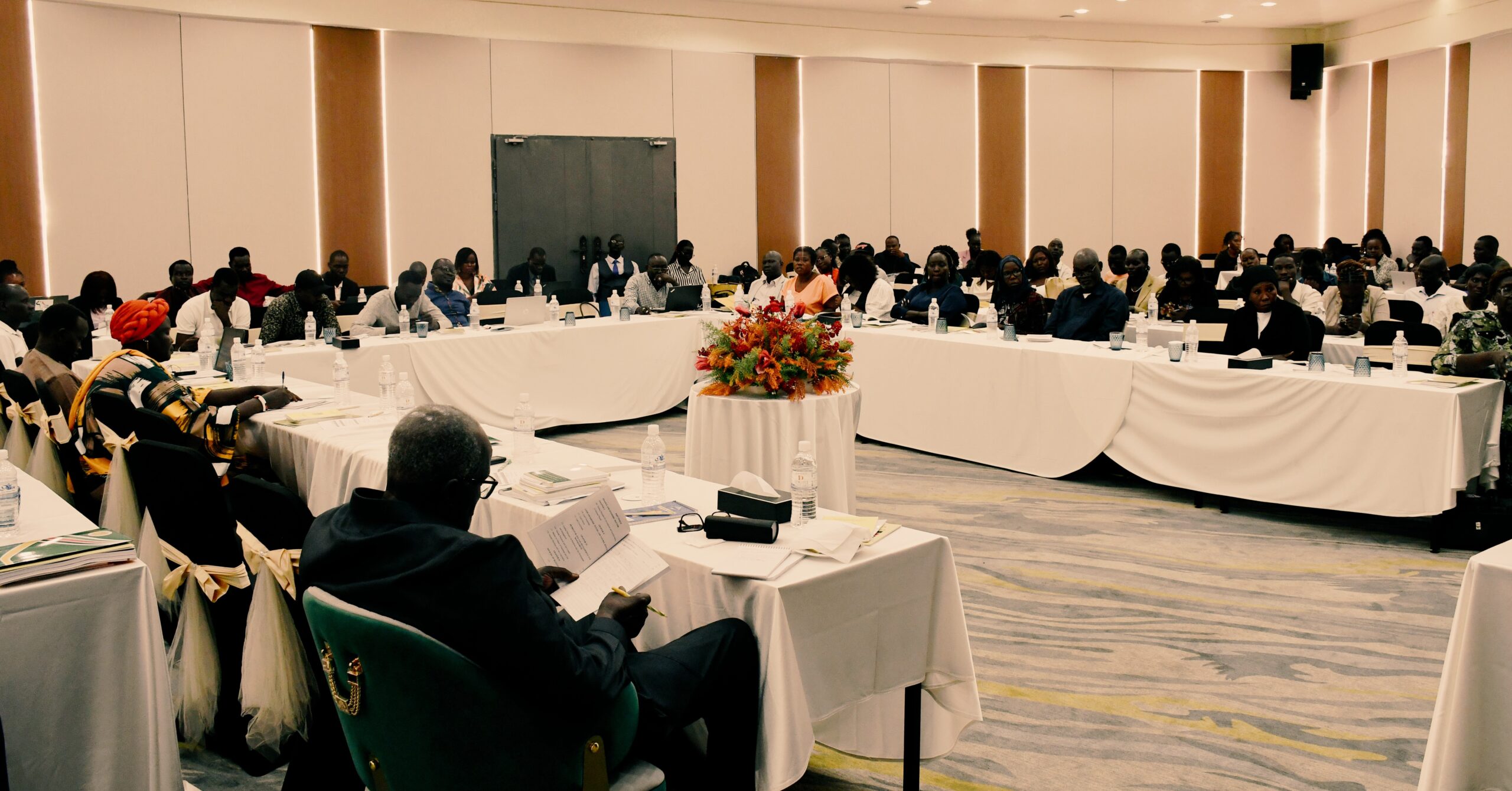
The workshop, held in Juba from 19 to 20 June 2026, brought over 50 journalists from various media houses to deepen their understanding of constitutional issues while providing them with an opportunity to contribute their views to the country’s permanent constitution.
Speaking at the opening of the workshop, NCRC Chairperson Dr. Riang Yer Zuor said the consultation forms part of a nationwide civic education and public engagement exercise that has already covered all ten states, the three administrative areas, and is now focusing on national institutions.
“This workshop is for civic education and public consultations. It is part of a nationwide exercise that we have been conducting across the country.”
He explained that the commission established 13 subcommittees to carry out consultations, with ten deployed to the states and three assigned to the administrative areas.
“At this stage, we can say that we have covered the whole country. What we are doing today is part of civic education and public consultations with national institutions,” he added.
According to Dr. Riang, the NCRC has already conducted consultations with legal professionals, including representatives from the Judiciary, the South Sudan Bar Association, the Federation of Female Lawyers, the Ministry of Justice and Constitutional Affairs.
The commission also engaged civil society organizations earlier this week before turning its attention to the media sector.
The two-day workshop follows a structured format, with participants receiving civic education sessions during the first half of each day, followed by public consultations in which they can present their views and recommendations.
The NCRC Chairperson encouraged journalists to contribute not only on media-related issues but also to broader national concerns affecting South Sudanese citizens.
“It is important that your views as the media community are heard. As citizens of South Sudan, you should also give us your views on other issues that are important to the people of South Sudan.”
He emphasized that the constitution-making process represents a historic opportunity for South Sudanese to secure the political, social, and economic rights for which many struggled during the liberation struggle.
“Our people fought for socio-economic and political rights. Now is the time for us to entrench and enshrine those rights in the permanent constitution. The constitution is a legal document that is enforceable in a court of law. This is a moment that we must take seriously.”
He praised the media for its role in covering constitutional activities across the country and described journalists as a critical pillar of democratic governance.
He urged journalists to remain actively engaged throughout the process to ensure that citizens remain informed and that diverse voices are reflected in the country’s supreme law.
The ongoing consultations are expected to gather public views that will help shape South Sudan’s permanent constitution as the country prepares for its first elections under the revitalized peace agreement framework in December 2026.