

 to South Sudan, Ambassador Musa Jama Ali, has called on citizens to actively participate in the country's constitution-making process, emphasizing that a permanent constitution must reflect the aspirations of all South Sudanese.)
By Ginaba Lino
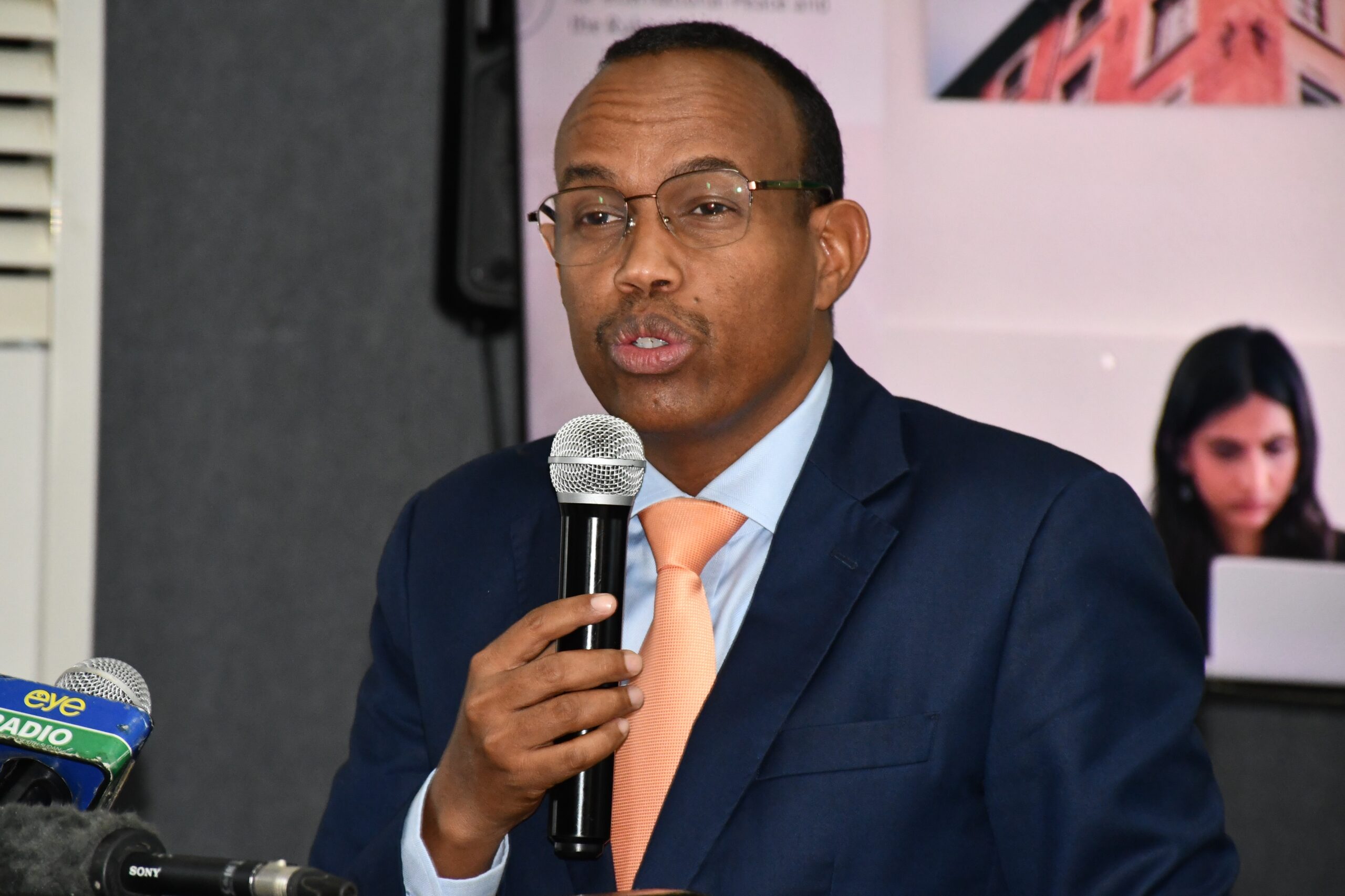
The Special Envoy of the Intergovernmental Authority on Development (IGAD) to South Sudan, Ambassador Musa Jama Ali, has called on citizens to actively participate in the country’s constitution-making process, emphasizing that a permanent constitution must reflect the aspirations of all South Sudanese.
Speaking at the opening of a workshop on civic education and public participation in Juba, Ambassador Ali described constitution-making as a nation-building process rather than merely a legal exercise.
“A constitution that belongs to the people is more likely to be respected, defended, and sustained by the people. Civic education and public consultation is very important, it ensures citizens understand the process and contribute their views.”
The envoy noted that a permanent constitution serves as a social contract that promotes peace, dignity, and mutual respect among citizens.
He added that IGAD remains committed to supporting an inclusive constitution-making process and the implementation of the Revitalized Peace Agreement.
Meanwhile, the Chairperson of the National Constitutional Review Commission (NCRC), Dr. Riang Yer Zuor, said South Sudan has deliberately chosen a democratic and participatory approach to drafting its permanent constitution.
“The whole constitution-making process shall be owned and led by the people of South Sudan. No drafting can take place before consulting the people on the relevant constitutional issues.”
He explained that public consultations are a core mandate of the Commission and that citizens’ views will form the basis of the draft constitution.
Dr. Zuor revealed that the Commission has already completed civic education and public consultation campaigns across all ten states and the three administrative areas and has now begun engaging national institutions.
The workshop brought together representatives from the judiciary, Ministry of Justice and Constitutional Affairs, legal associations, academia, and development partners to discuss constitutional issues and gather public views as part of South Sudan’s ongoing constitution-making process.