

By: Ginaba Lino
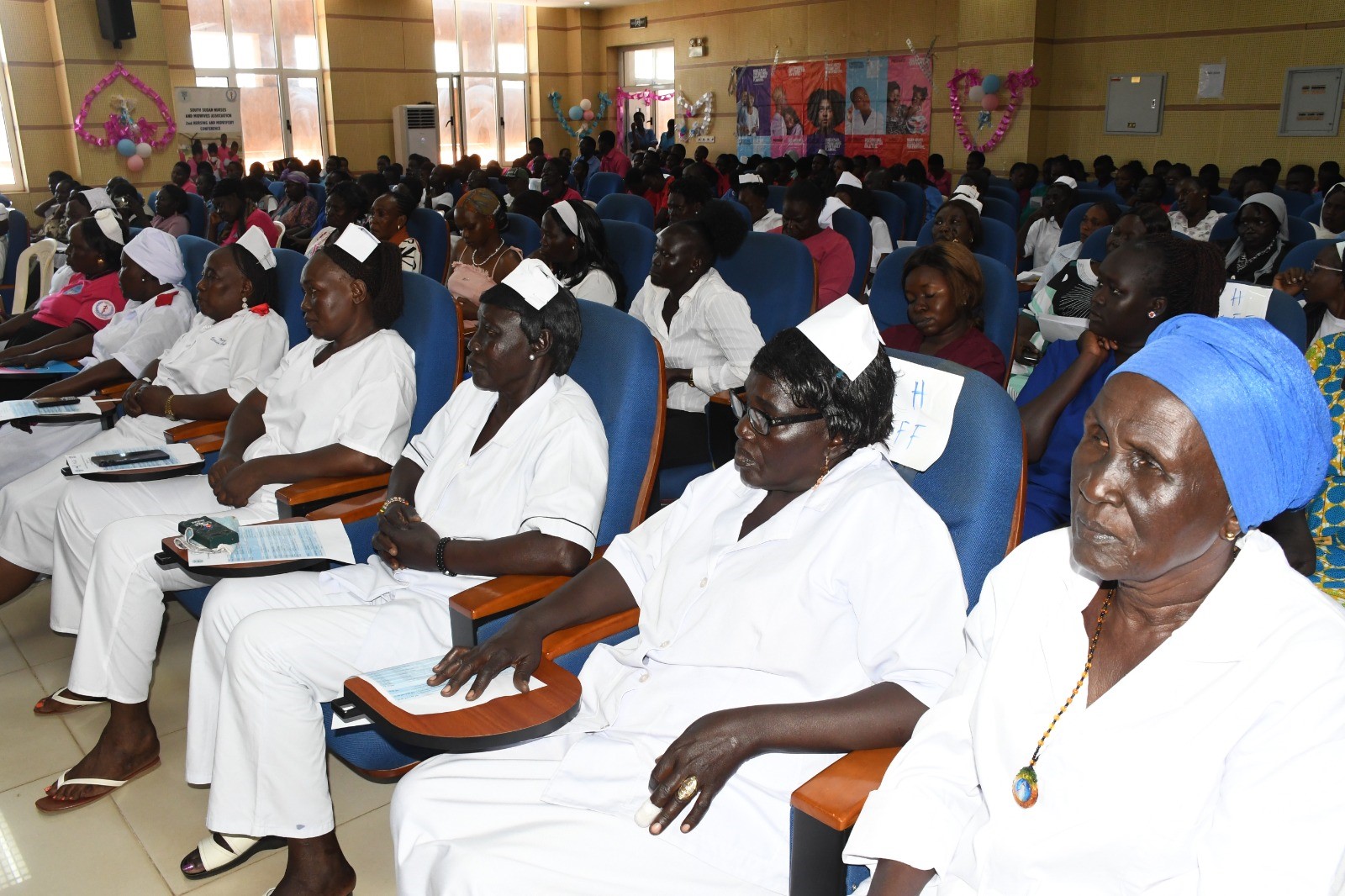
The South Sudan Nurses and Midwives’ Association observed the International Day of Midwives and Nurses, urging both the government and international partners to allocate resources to midwives and nurses throughout the country.
The joint International Day of Midwives and Nurses, held under the theme “Our Nurses, Our Future,” is an opportunity for midwives and nurses to reaffirm their dedication and maintain the highest standards in the health sector.
Speaking during the combined celebration of the Midwife and Nurses International Day, the president of the SSNAMA, Repent Khamis, says there is a need for commitment towards improving the welfare and working conditions of nurses and midwives, citing that investing in health care workers is investing in the future of this nation.
Repent emphasizes that the association of Nurses and Midwives in South Sudan will continue to engage the government and partners to ensure that nurses and midwives are prioritized in national health policies and the budget.
“We continue to engage government and partners to ensure that nurses and midwives are prioritized in national health policies and budgets. We continue to advocate for fair and timely salary and incentive payments.”
He adds that Midwives are key to changing the situation of pregnant Mothers, but their lives remain dire, especially in the current economic hardship the Country is going through.
“As we all know, our country continues to face many challenges. We continue to struggle with higher maternal and newborn deaths, a shortage of healthcare workers, limited access to health services, and unsourced facilities. The heather workers are unable to come to hospitals because they go years without a salary.”
On behalf of UNFPA, the Deputy Country Representative and Head of programmes, Renata Tallarico, said the midwives and nurses are the protectors of life, dignity, and hope, and they ensure that no woman dies while giving birth.
“In this world, midwives and nurses are the protectors of life, dignity, and hope. You are the guardians of the beginning of life. You ensure that no woman dies while giving birth. You are also present at the most critical moments in human existence, during illness, in times of crisis, and in moments of profound vulnerability.”
Tallarico highlights the efforts of Midwives and Nurses, citing that their work reduces maternal mortality and newborn mortality by 80 percent.
“When integrated into functional health systems, your expertise helps to reduce maternal and newborn mortality by nearly 80%. Your work reduces maternal mortality and newborn mortality by 80%. And this is not just a statistic. I’m a fan of statistics but also a fan of putting faces onto the statistics.”
She added that many Midwives and Nurses continue to work under extremely difficult conditions with a shortage of staff and equipment, delayed or inadequate salaries, limited opportunities for professional growth, insufficient deployment systems, and immense physical and emotional demands.
“Must continue investing in quality nursing and midwifery education, specialized training and professional regulation to build a strong, competent and resilient health workforce for the future,” The UNFPA Rep Urged.
Renata said if South Sudan wants to achieve the Sustainable Development Goals and end preventable maternal deaths by 2030, it should invest in nurses and midwives in the health sector.