


Author|Ginaba Lino|CRN- The National Justice and Peace Commission (JPC) has concluded a two-day workshop in Kit, resolving to strengthen documentation of shootings, disappearances, and other security threats facing civilians in South Sudan and Sudan.
The gathering brought together diocesan Justice and Peace coordinators, religious sisters, and partners to develop a coordinated roadmap for future faith-based peacebuilding efforts.
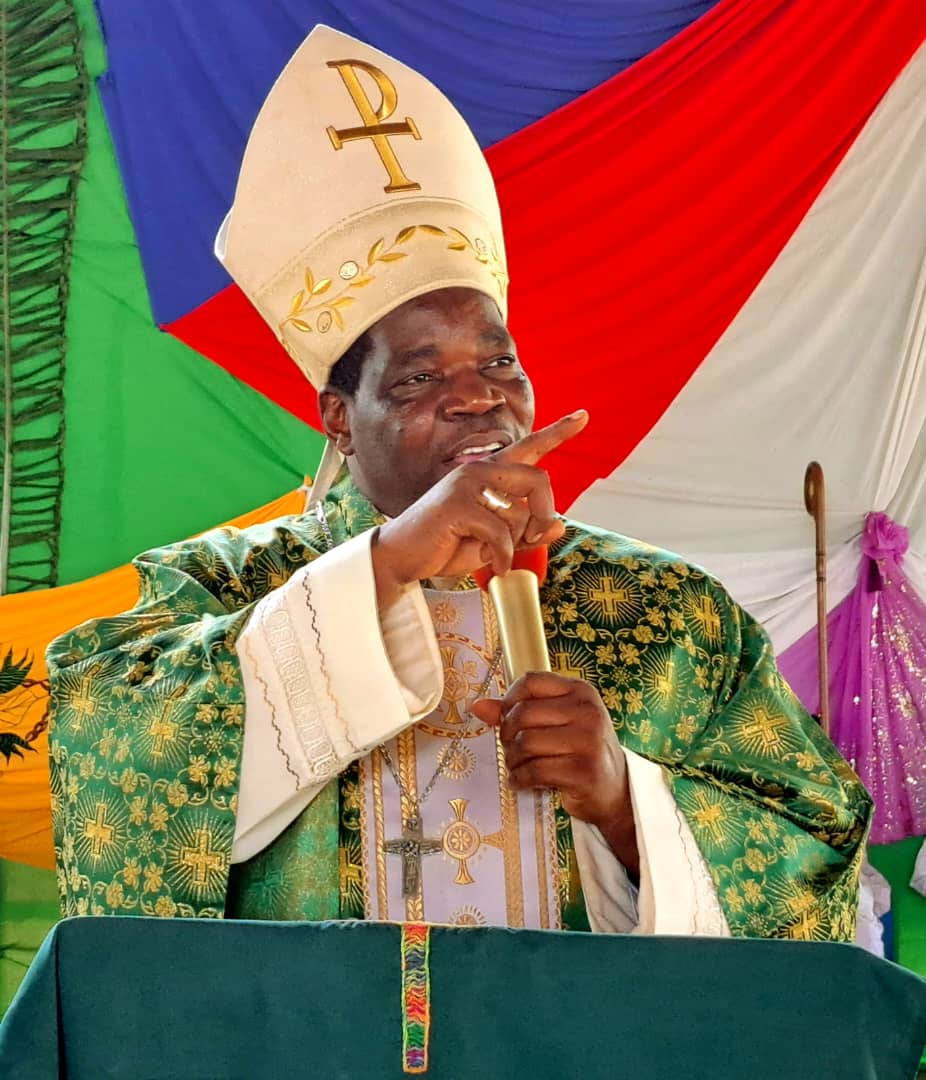
His Lordship Bishop Eduardo Hiiboro, who oversees the Justice and Peace Commission, urged participants to enhance their reporting systems and maintain accurate records of incidents affecting communities.
He encouraged coordinators to keep daily diaries capturing security-related events so they can be compiled monthly to form a reliable national account of violence, responses, and progress.
“If we all record what happens in our parishes, we will have a true record of the violence happening and the successes we achieve,” Bishop Hiiboro said. He emphasized that stronger coordination would enable dioceses to support each other during crises rather than rely on external assistance.
“When conflict erupts, we should be able to call on another diocese to help their brothers,” he added, highlighting unity and mutual support.
The bishop assured participants of his continued prayers and backing, expressing confidence that “good things will happen along your way.”
In his closing remarks, National JPC Coordinator Fr. John Opi thanked the bishops for reinforcing diocesan peace structures and reaffirmed the Church’s commitment to proactive engagement.
He urged coordinators to be “ambassadors of truth” and “builders of unity,” describing the new strategy as a shift from reactive responses to proactive peace leadership.
Misereor’s representative, Uwe Bergmeier Head of Dialogue and Partnership Service for South Sudan praised the workshop as a major step toward revitalizing a national coordination mechanism that has struggled since 2017.
He described the revived structure as a promising development for strengthening diocesan impact.
Bergmeier outlined four priority areas identified during the workshop: community violence, civic awareness, natural disasters, and displacement. These themes, he said, provide solid pillars for future peace interventions and partnerships.
He encouraged coordinators to convert their strategic framework into clear, measurable, and outcome-driven proposals suited to today’s funding requirements.
Speaking on behalf of the diocesan coordinators, Mr. James Alau expressed gratitude to the national office, Misereor, and facilitators for what he called a “timely and unifying” workshop.
He said the training strengthened bonds among coordinators who often work in isolation and called for regular communication and collaboration.
Alau urged colleagues to revive or establish parish-level Justice and Peace committees and underscored the essential roles of women and youth in sustaining peace. “We are not alone—we have each other to lean on as we carry this mission forward,” he said.