



Chuol Jany|CRN| Tensions flared in court this morning as the prosecution team in the high-profile trial of Dr. Riek Machar and seven other SPLM-IO members objected to the participation of two defense lawyers, claiming they are not licensed by the South Sudan Bar Association.
The lawyers in question, Advocate Deng John Deng and Advocate Warnyang Kiir Warnyang, were challenged by the prosecution team, who asserted that the two private attorneys are not legally authorized to represent clients in court due to their lapsed bar licenses.
However, the defense team swiftly responded in writing, as per court procedures. Advocate Kur Lual Kur, representing the defense, argued that the two lawyers had been denied renewal of their licenses for political reasons.
He claimed the Bar Association’s refusal to renew their licenses was not based on legal grounds, but rather on political interference, raising questions about the independence of the Bar Association in South Sudan.
“These lawyers pushed for their license renewals but were politically blocked. They are pursuing the matter through legal means, and this should not prevent them from representing their clients in court,” said Kur.
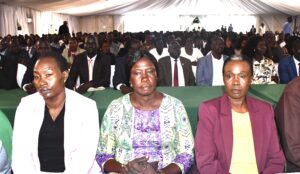
The trial, involving Dr. Machar and senior SPLM-IO officials, has drawn significant public attention. By 5:00 AM, dozens of people had already lined up outside the courtroom to witness the proceedings. Machar and his co-accused arrived around 8:30 AM, and the session commenced at 9:00 AM.
For the first time, media personnel were granted access to report from inside the courtroom an important step toward ensuring transparency and accurate coverage of the case.
Presiding Judge, Justice James Alala Deng, adjourned the session until Monday, September 29, citing concerns raised by the public about the frequent court sittings disrupting local businesses.
Justice Alala also addressed the issue of security restrictions, urging law enforcement to allow the free movement of the public during court hearings. He emphasized that there was “no legal basis to block roads” during proceedings and that public access should not be hindered.