

By: Ginaba Lino
The Ministry of General Education and Instruction, in collaboration with UNICEF and development partners, has renewed its commitment to delivering inclusive, quality education across South Sudan.
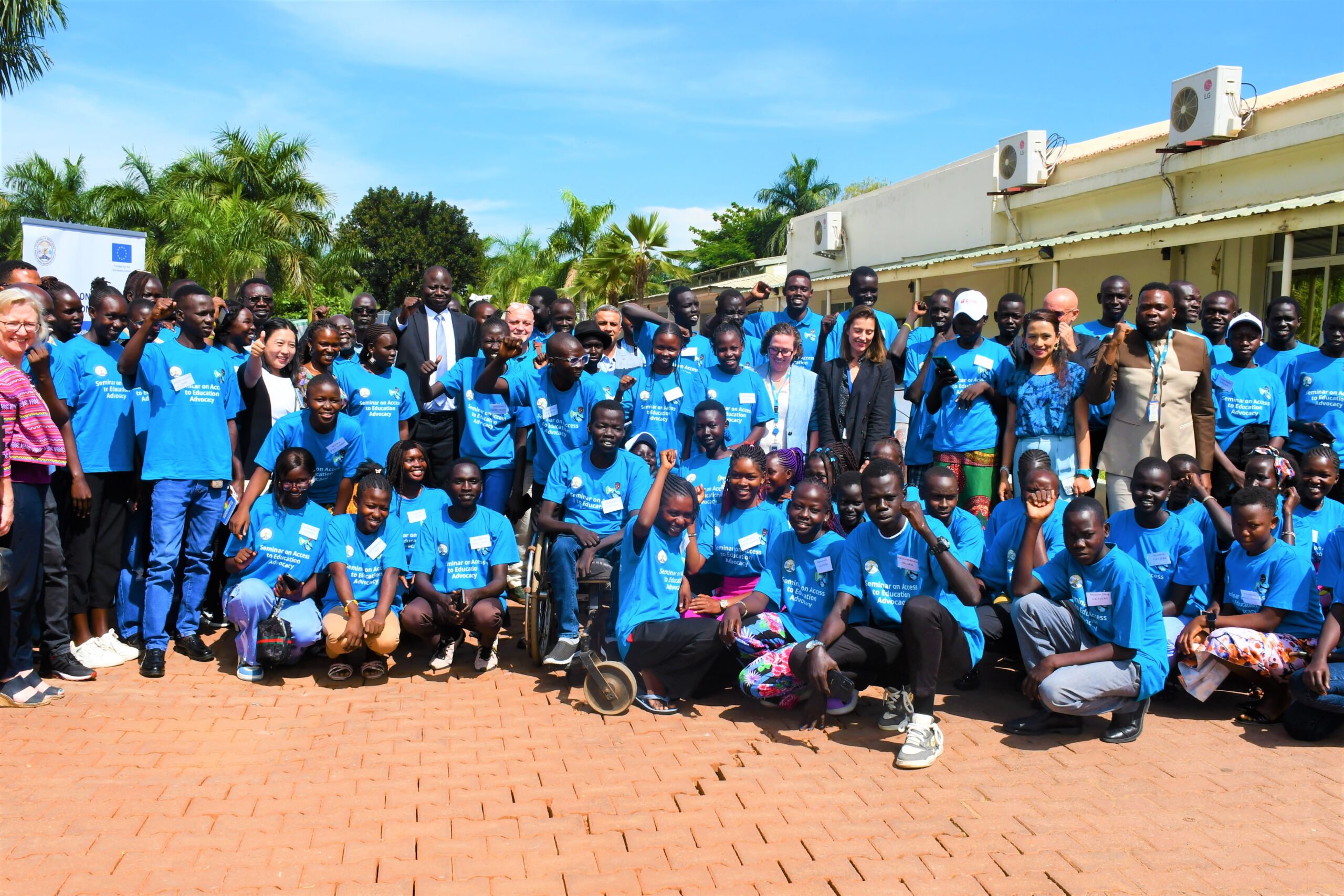
At a two-day workshop hosted by UNICEF, over 80 Young Reporters from all ten states gathered in Juba to enhance their advocacy skills and voice youth priorities in shaping the country’s education system.
Undersecretary Kaychewon Papil-Pyok praised the progress in school enrolment and literacy, while calling for sustained collaboration with Parliament to increase education funding.
“We are happy with the achievements made, but we will not be complacent. A lot more still needs to be done,” he said.
Hon. Lokang Lujina, from the National Assembly’s Education Subcommittee, emphasized Parliament’s push for timely budget disbursement.
“Even when funds are allocated, delays in release remain a major challenge,” she noted.
Barbara of the European Union called education an investment in peace and demanded accountability from leaders.
“Your right to education is enshrined in Article 29 of the Constitution. Hold us accountable,” she told the young participants.
Sean Collins from the British Embassy highlighted UK-supported initiatives like Girls’ Education South Sudan (GESS) and encouraged youth feedback.
From the Ministry, Director General David Rowena stressed the importance of engaging directly with students.
“This is exactly what we’ve been longing for—dialogue directly with you,” he said.
Emily Roy of UNICEF underscored the need for safe and healthy learning environments, while Asar Mohamed from IOM spoke on peacebuilding through education access. WFP’s Martin linked school meals and family support to better learning outcomes.