

 Chamber has no constitutional mandate to interfere in its operations. Citing Article 53 of the South Sudan National Chamber of Commerce, Industry and Agriculture (SSNCCIA), the Chamber emphasized that each city chamber operates independently and governs its affairs without external interference.)
By: Ginaba Lino
The Juba City Chamber of Commerce, Industry and Agriculture has clarified that the Central Equatoria State (CES) Chamber has no constitutional mandate to interfere in its operations. Citing Article 53 of the South Sudan National Chamber of Commerce, Industry and Agriculture (SSNCCIA), the Chamber emphasized that each city chamber operates independently and governs its affairs without external interference.
The statement comes amid ongoing disputes between the CES Chamber and the Juba City Chamber over market regulations and business oversight. According to the Juba City Chamber, all decisions affecting local traders and commerce fall strictly under its authority.
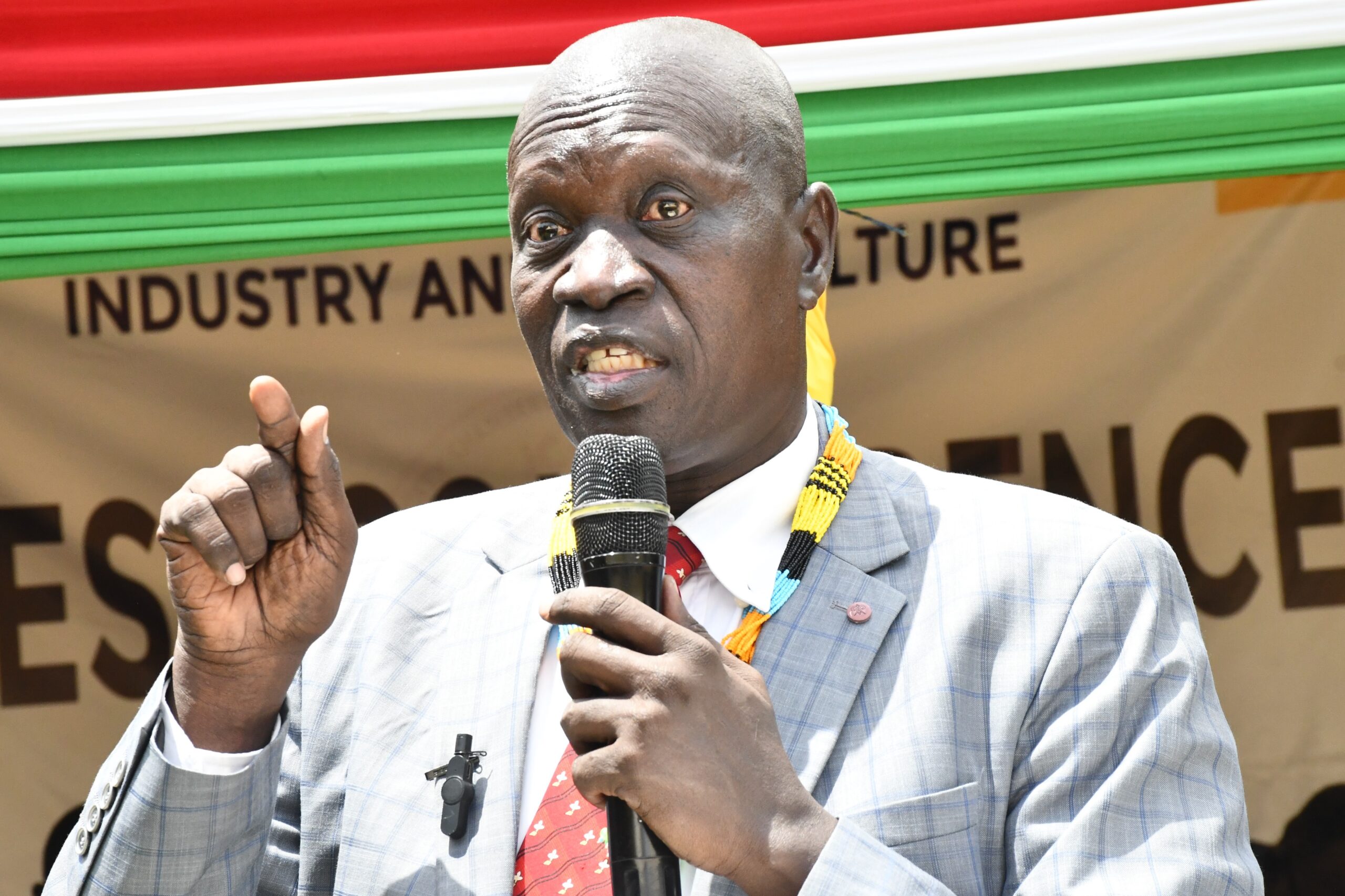
“Our operations are guided by the constitution and existing laws. No external body, including the CES Chamber, has the right to intervene,” said Marcello Swaka, the Chairperson of Juba City Chamber, Industry and Agriculture.
“The Central Equatoria State Chamber has no constitutional rights to interfere with the affairs of Juba City Chamber of Commerce, as it is an independent body under Article 53 of the SSNCCIA Constitution 2010,” added Swaka, a senior official at the Chamber.
Swaka dismissed allegations of financial misconduct, noting that he is not a custodian of assets or funds belonging to the CES Chamber and therefore could not have misappropriated its resources. He emphasized that any concerns regarding Juba City Chamber funds are handled by its General Assembly, not by an external institution.
He further confirmed that no formal complaint has been filed by any member of the Juba City Chamber regarding alleged misappropriation, and that he has never appeared before any disciplinary committee in connection with the accusations.
The current dispute follows a suspension letter issued earlier this month by Robert Pitia Francis, Chairperson of the CES Chamber, who accused Swaka and several market chairpersons of misconduct and directed them to hand over office to Stephen Wani Aquilino.
Swaka described the suspension as unlawful and politically motivated, alleging that attempts to enforce the directive led to tensions. He said the Juba Market Chamber Sub-office filed a criminal complaint in response, which resulted in Pitia’s brief arrest by the Northern Police Division on February 3, 2026.
The controversy also involved the Mayor of Juba City Council, Christopher Serafino Wani, who was accused by Pitia of appointing Swaka for personal interests. Swaka rejected this claim, stating that his reinstatement followed a High Court order issued on December 17, 2025, which nullified Administrative Dissolution Order No. 03/2020 and restored his leadership. He added that the mayor’s role was limited to maintaining security after alleged attempts to forcibly take over market offices.
The leadership dispute, dating back to 2020 when a planned election was halted due to an ongoing court case, continues to generate uncertainty within Juba’s business community. Stakeholders are calling for dialogue and adherence to legal procedures to ensure stability in the city’s commercial sector.