

, and in close collaboration with the South Sudan Ministry of Health, has launched the construction and rehabilitation of key health facilities across several states in South Sudan.)
By: Ginaba Lino
UNICEF, in partnership with the Government of the United Kingdom through the Foreign, Commonwealth and Development Office (FCDO), and in close collaboration with the South Sudan Ministry of Health, has launched the construction and rehabilitation of key health facilities across several states in South Sudan.
The initiative forms part of a six-month programme titled “Building Resilient Primary Health Care Systems: Community Health and Health Facility Support in South Sudan.” The programme aims to improve access to quality maternal, newborn, and child health, as well as nutrition services, particularly in underserved and crisis-affected areas of the country.
According to UNICEF, the newly constructed and rehabilitated facilities are expected to be completed and officially handed over to the Government of South Sudan by March 2026.
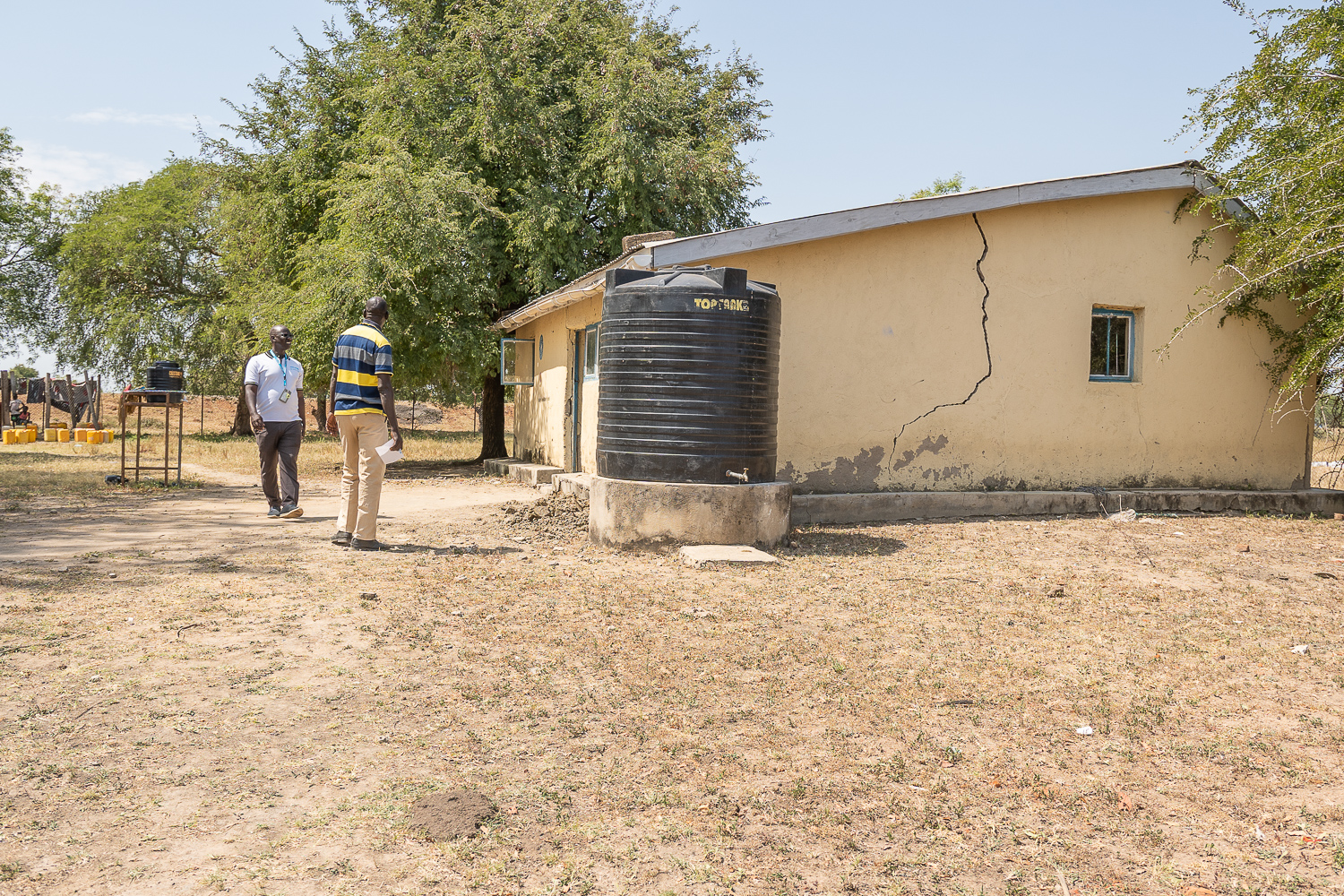
The project will support selected hospitals and Primary Health Care Centres (PHCCs) in Upper Nile, Unity, Jonglei, Lakes, Warrap, Western Bahr el Ghazal, and Eastern Equatoria states. Planned interventions include the construction of staff quarters, expansion of maternity wards, installation of solar power systems, provision of water and sanitation facilities, refurbishment of operating theatres, and development of cold-chain storage to support the Expanded Programme on Immunisation.
These improvements are expected to strengthen the continuity of essential health services during periods of conflict, displacement, and climate-related shocks, which continue to disrupt health care delivery in many parts of the country.
The programme also aligns with the Ministry of Health–led Health Sector Transformation Project (HSTP), with a focus on climate-resilient infrastructure, improved referral systems, and better working conditions for frontline health workers. Officials say these measures are aimed at improving staff retention and ensuring reliable service delivery in remote areas.
Speaking on the initiative, UK Ambassador to South Sudan David Ashley said the United Kingdom has consistently supported South Sudan’s health sector since independence. He noted that the latest contribution will help improve essential health services for mothers and children in seven states.
He added that while international partners continue to play a key role, sustained investment by the Government of South Sudan is critical to building a stronger and more self-reliant health system.
Meanwhile, UNICEF Acting Representative in South Sudan, Ismail Kamil, described the investment as vital to strengthening the country’s health system, particularly for pregnant women, newborns, and children who face barriers in accessing care during difficult circumstances.
UNICEF and the UK Government reaffirmed their commitment to supporting the Government of South Sudan in building a resilient, equitable, and sustainable primary health care system capable of saving lives now and supporting long-term recovery and development.