

By Ginaba Lino
The Minister of Information, Communication Technology and Postal Services has urged journalists and social media users in South Sudan to practice comprehensive, balanced and forward-looking communication as the country confronts the growing challenge of hate speech.
Speaking at the opening of the National Conference on Combating Hate Speech and Strengthening Social Cohesion in South Sudan, Minister Ateny Wake Ateny emphasized the critical role of the media in promoting peace, unity and national cohesion.
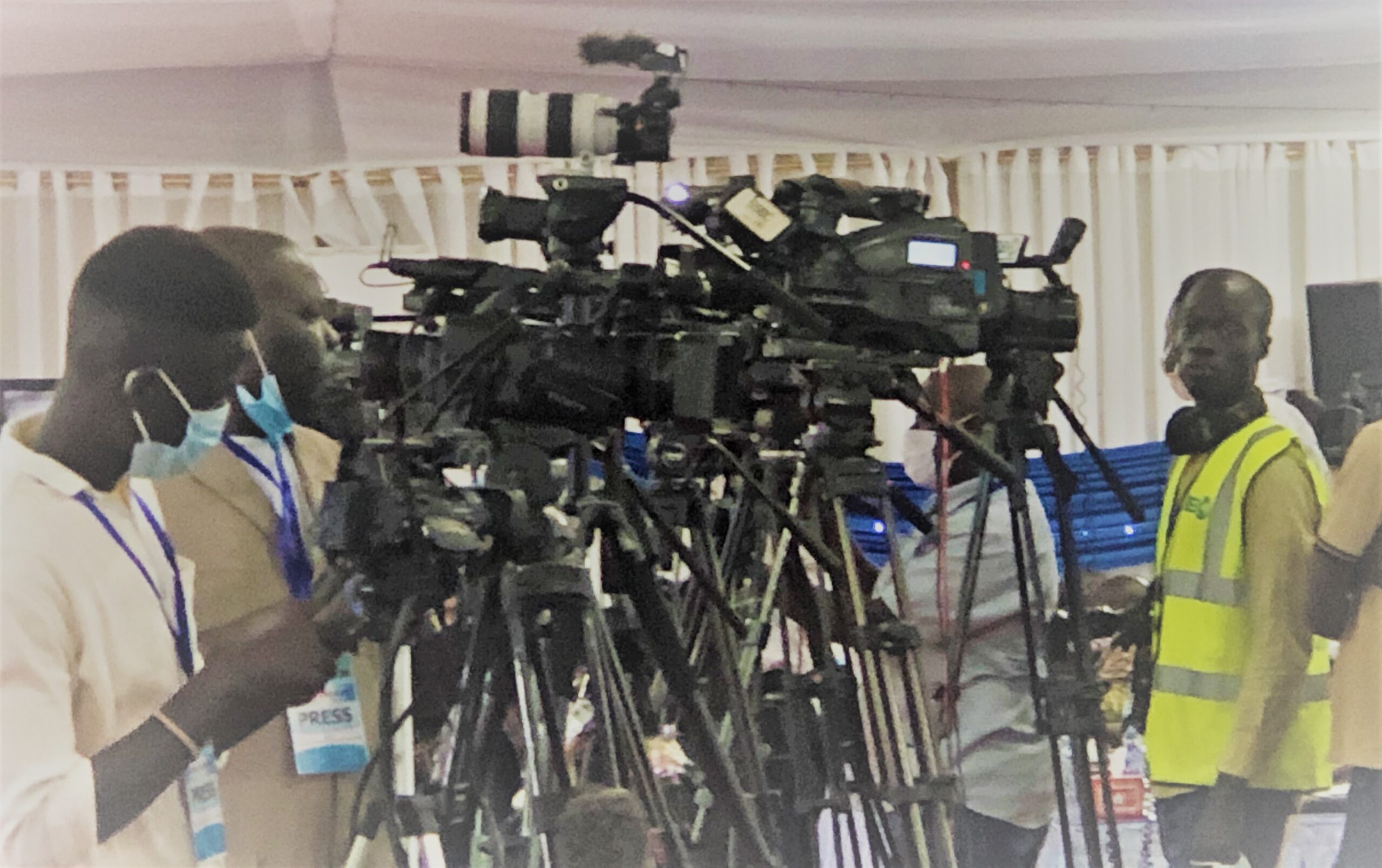
The conference, organized by the Media Authority in collaboration with Journalists for Human Rights, with support from the Government and people of Canada, was held under the theme “Beyond the Painful Divide.”
Minister Ateny reaffirmed the government’s commitment to safeguarding a media environment that upholds professional standards, encourages responsible communication and strengthens social cohesion.
“Hate speech whether expressed in public spaces, traditional media or digital platforms poses a serious threat to social harmony, national cohesion and our peace-building efforts,” he said. “In a diverse society such as ours, irresponsible communication can easily inflame tensions and undermine the gains made toward stability.”
He noted that while freedom of expression is a constitutional right, it must be exercised responsibly and in a manner that promotes coexistence, mutual respect and the national interest.
The minister stressed that addressing hate speech requires a comprehensive and coordinated approach, including stronger institutional collaboration to ensure that relevant authorities are empowered to investigate and address incidents of hate speech, whether online or offline, in accordance with the law and due process.
“At the policy level, the government will continue to explore appropriate frameworks to guide prevention, response and accountability, while safeguarding freedom of expression and maintaining social harmony,” he said.
Minister Ateny also highlighted the importance of prevention through nationwide awareness and sensitization initiatives targeting communities at the grassroots level, government institutions, opinion leaders, youth and women.
“Changing narratives and mindsets is as important as enforcing regulations,” he added, calling for increased investment in public education to counter harmful stereotypes and promote peaceful coexistence.
In the digital age, the minister underscored the need to enhance the country’s capacity to responsibly monitor media spaces, identify harmful content early, counter disinformation and promote credible peace-building narratives, in close collaboration with media practitioners, civil society and technology stakeholders.
He described the conference as significant for bringing together participants from all ten states and the three administrative areas, alongside national institutions and development partners.
“This inclusivity ensures that the recommendations emerging from this forum are grounded in our realities and reflect our shared aspirations as South Sudanese,” he said, encouraging participants to engage openly and propose practical, actionable recommendations.
Minister Ateny further emphasized the need for harmonized government communication at all levels to prevent misunderstandings that could fuel hate speech. He urged government spokespersons and media practitioners to verify information through appropriate channels before public dissemination.
He acknowledged that misstatements can occur, noting that no individual is immune from making mistakes, particularly when communicating in languages other than their mother tongue. He called for dialogue, clarification and professionalism rather than escalation when such errors arise.
Concluding his remarks, the minister called on all South Sudanese to reject divisive narratives and choose dialogue, responsibility and unity.
“The future of South Sudan depends not only on our laws and institutions, but also on the words we speak and the messages we amplify,” he said.