


By Ginaba Lino | Juba
The Justice and Peace Commission (JPC) of the Sudan and South Sudan Catholic Bishops’ Conference (SSSCBC) has opened a two-day workshop aimed at revitalizing faith-driven peacebuilding initiatives across South Sudan. The gathering, taking place at the Good Shepherd Peace Center in Kit, has brought together Justice and Peace Coordinators from all dioceses in the country, as well as representatives from the Nuba Mountains.
The workshop seeks to develop practical strategies and an evidence-based roadmap to enhance coordinated, faith-led peace efforts. Participants are reviewing the drivers of conflict, community perceptions of peace, and how faith institutions can foster reconciliation and healing at the grassroots level.
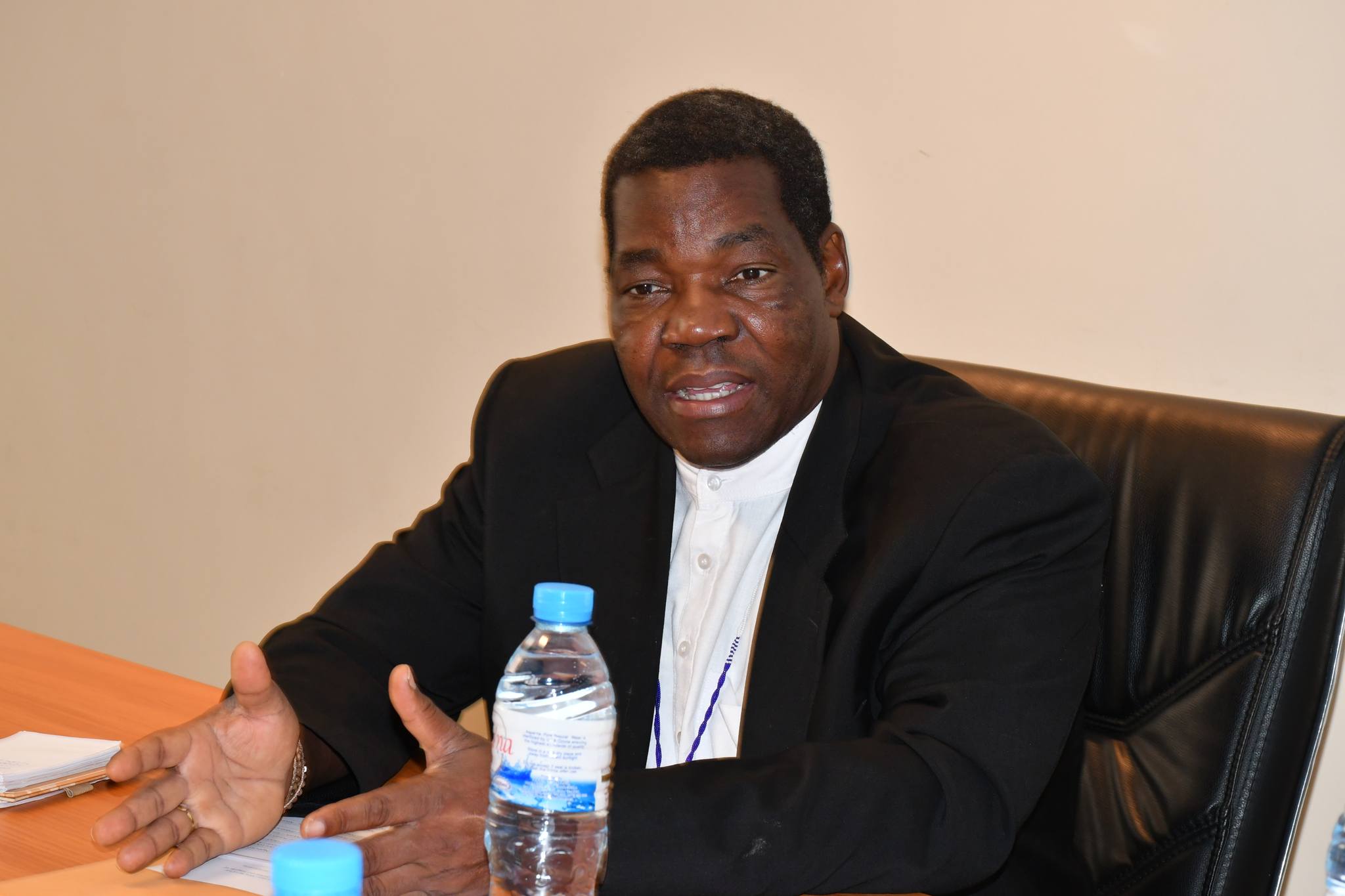
Speaking during the opening session, Bishop Eduardo Hiiboro Kussala of the Diocese of Tombura-Yambio—who also chairs the Commission for Integral Human Development under which the JPC operates—emphasized that peace remains the bedrock of all development.
“Without peace, we can’t do much. Peace is development, and development is peace,” Bishop Hiiboro said. “If you have an agency that stands for development, you equally need to stand for peace. Those who work for peace are called sons and daughters of God—peacemakers.”
He urged participants to embrace their mission with commitment and humility, noting that peacebuilding is a spiritual calling rather than an ordinary assignment.
“You have been chosen for a very special role,” the bishop told the coordinators. “Fall in love with this mission, learn it, and be committed to it. The result will be a peaceful nation, a peaceful community, and a developed South Sudan.”
Reflecting on the Church’s historical contributions to peace in Sudan and South Sudan, Bishop Hiiboro highlighted Catholic involvement in the 1972 Addis Ababa Peace Agreement and the bishops’ persistent advocacy for dialogue during the second civil war. He noted that nearly 90 percent of pastoral letters issued during that period centered on peace appeals.
He also pointed to the Church’s role in the Comprehensive Peace Agreement (CPA) and the 2011 referendum, where religious leaders promoted peaceful participation and respect for human dignity.
“We South Sudanese do not regret choosing to be a country,” he said. “Despite the conflict that followed independence, we can rebuild and redefine ourselves just like nations that have risen from their own painful histories.”
Bishop Hiiboro urged peace coordinators to ground their work in the Gospel and Catholic social teaching, emphasizing that true peace requires spiritual strength, sacrifice, and perseverance.
“Justice and peace are built on the love of Christ,” he said. “If we follow His example—loving one another as He loved us—true peace will prevail.”
The bishop likened peace agents to referees who ensure fairness in difficult situations but rarely receive recognition.
“Working for peace is not easy,” he added. “It will cost your time, resources, and sometimes even your life. But the reward is lasting peace and the blessing of being called children of God.”
Over the next two days, coordinators will share experiences from their respective dioceses, including grassroots dialogue and community reconciliation initiatives. The workshop is expected to conclude with the formulation of a strategic roadmap to guide the Catholic Church’s continued engagement in justice, peace, and reconciliation across South Sudan.