

By: Ginaba Lino
The Government of South Sudan, in partnership with UNICEF, has launched a climate-resilient and durable urban water supply system in Bor Town, Jonglei State, marking a major milestone in efforts to ensure clean, safe, and affordable drinking water for more than 96,000 residents.
The Bor Urban Water Supply System was implemented through the Ministry of Water Resources and Irrigation (MWRI) and the South Sudan Urban Water Corporation (SSUWC), with funding from the Governments of the Netherlands and the Republic of Korea through KOICA.
Designed to strengthen sustainable and climate-resilient water management, the project features a 4,800-cubic-metre-per-day water treatment plant, built above the flood line to withstand future climate shocks. The facility includes a water quality laboratory, 28 water kiosks, a 53-kilometre distribution network, a tanker filling station, and a 750-cubic-metre steel storage tank. It also operates on an off-grid 240 kWp solar power system, reducing fuel dependence and carbon emissions making it one of the most environmentally friendly water systems in South Sudan.
“This new Bor urban water project will go a long way to prevent water-related diseases and improve people’s health,” said Hon. James Mawich Makuach, Minister of Water Resources and Irrigation. “I urge all users to pay for water services so that the system can be managed sustainably.”
H.E. Paul Tholen, Ambassador of the Netherlands, underscored the need for community participation: “The people of Bor now have safe drinking water. To sustain this service, the public should pay bills on time, and the revenues should go toward maintaining and improving the system.”
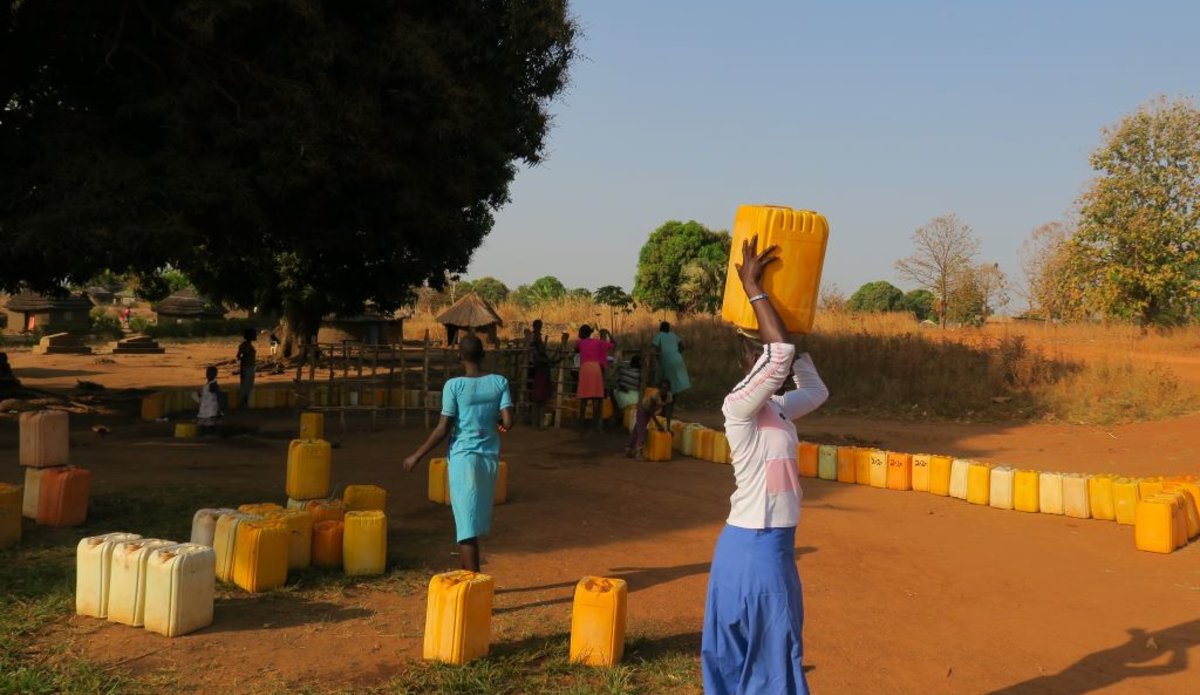
H.E. Park Sungsoo, Ambassador of the Republic of Korea, described the project as “a transformative step toward reliable and sustainable water for all,” adding that access to clean water “restores dignity to women and girls by easing the burden of long, unsafe journeys to fetch water.” He reaffirmed Korea’s continued support for peace and development in Jonglei through the Hanbit Unit of the UNMISS peacekeeping mission.
“Access to clean and safe water is not just about meeting basic needs it gives every child the chance to grow up healthy and thrive,” said Noala Skinner, UNICEF Representative in South Sudan. “The Bor Water Supply System has the potential to transform lives, empower women and girls, and build resilience against climate change.”
The new system is expected to significantly reduce waterborne diseases, create local jobs, and enhance community resilience. Officials say it stands as a model for sustainable, climate-smart infrastructure in South Sudan offering not just water, but hope, health, and a pathway to lasting peace for the people of Bor.