

By: Ginaba Lino
In a landmark public health effort, South Sudan has launched a nationwide campaign aimed at protecting more than three million people from two major health threats—polio and Schistosomiasis. The initiative is part of a broader strategy to strengthen disease prevention and improve access to essential healthcare services.
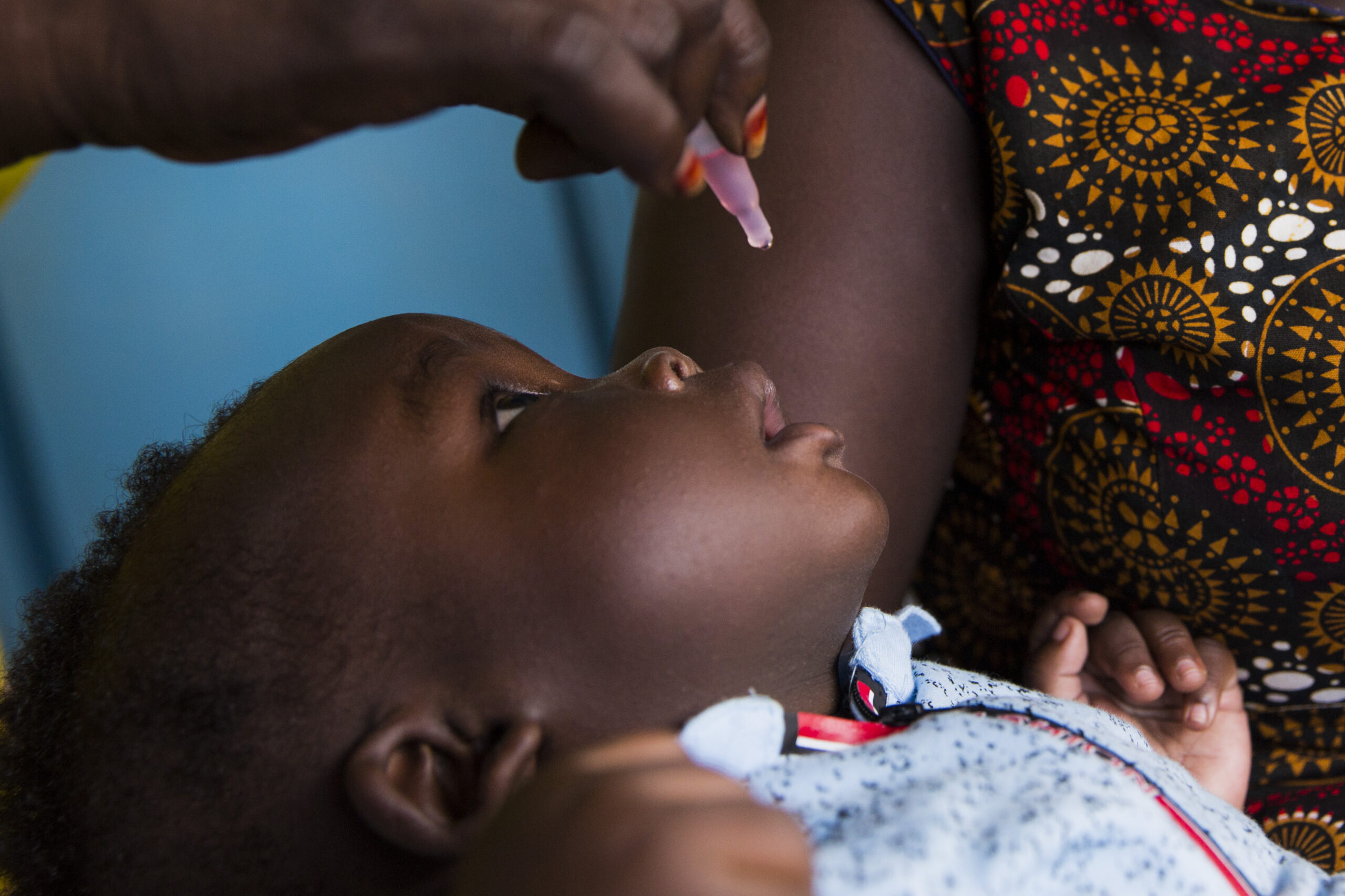
Spearheaded by the Ministry of Health in collaboration with the World Health Organization (WHO) and UNICEF, the four-day campaign—running from September 23 to 26—targets over 2.1 million children under the age of five with the novel Oral Polio Vaccine type 2 (nOPV2). At the same time, it aims to reach 1.2 million people with preventive treatment for Schistosomiasis, a waterborne parasitic disease.
Thousands of health workers and community volunteers have been mobilized across 40 counties to conduct door-to-door outreach, administering vaccines and distributing Praziquantel tablets in Schistosomiasis-endemic areas, including Awerial, Renk, and Bor South counties, as well as 11 high-risk Payams.
“This dual strategy aims to overcome the challenges of reaching populations in difficult-to-access areas and improve vaccination coverage to stop cVDPV2 outbreaks,” said Hon. Sarah Cleto Rial, Minister of Health. “We urge parents and communities to support the campaign and ensure all eligible children are reached.”
Health officials say the integrated approach maximizes limited resources while expanding the reach of life-saving services—particularly in remote and underserved areas, where healthcare infrastructure is often weak and access to routine care is limited.
“Under the leadership of the Ministry of Health, we have strengthened disease surveillance, trained health workers, and improved our response systems. This campaign reflects those efforts in action,” said Dr. Humphrey Karamagi, WHO Representative in South Sudan.
The nOPV2 vaccine, a genetically improved version of the traditional oral polio vaccine, is specifically designed to counter circulating vaccine-derived poliovirus type 2 (cVDPV2)—a growing concern in areas with low immunization coverage.
UNICEF emphasized the campaign’s significance as part of a comprehensive immunization strategy that addresses multiple threats to child health.
“Every child has the right to health and to thrive. This campaign tackles two significant barriers to that right,” said Mr. Obia Ochieng, Acting UNICEF Representative in South Sudan. “We urge all parents and caregivers to ensure their children are vaccinated—not just against polio, but also other preventable diseases.”
The campaign is supported by the Global Polio Eradication Initiative (GPEI), which is providing funding, vaccines, and technical expertise. GPEI’s involvement highlights the international community’s broader commitment to bolstering health systems in fragile and conflict-affected settings.