


By Otto Abut | CRN | Juba
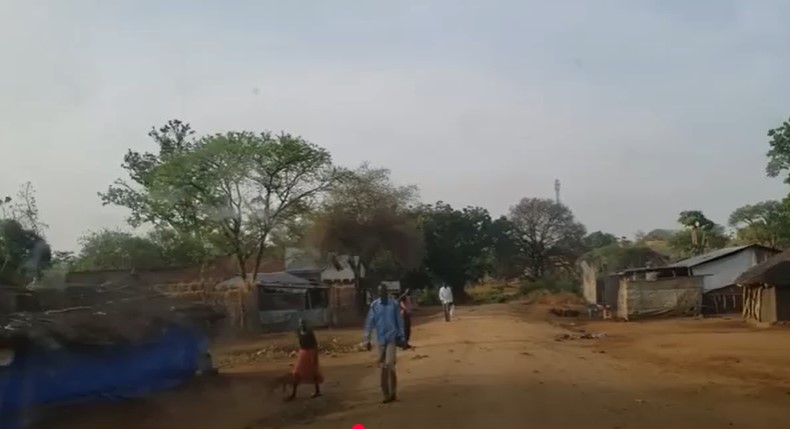
Communities in Owiny-Kibul, Magwi County, Eastern Equatoria State, are voicing serious concerns over recent visits by foreign mineral explorers allegedly linked to Russian interests. The visits, which occurred in August, have sparked fears of resource exploitation without community consent or benefit-sharing.
According to Chief Oyet Charles, four Russian geologists were seen conducting soil sampling in Ayolo and Katire Ayom, areas believed to contain gold deposits. The team reportedly gained entry through the State Ministry of Mining and was cleared by Magwi County authorities, yet many locals say they were never informed or consulted.
“Our people were alarmed when they saw strangers going into the bush. They feared these men came to smuggle minerals without informing the higher authority,” Chief Oyet told CRN.
He emphasized that the community remains in the dark about any formal agreements and demands that mineral exploration or exploitation must not proceed without local participation, consent, and clear benefit-sharing mechanisms.
Hon. Pole Benjamin, Magwi County Commissioner, confirmed that the Russian-linked geologists were part of a team officially facilitated by the national government in Juba.
“These are investors who came under the guidance of our government to assess the availability of resources that may, in the future, be explored to bring development to the area,” he stated.
While local authorities insist the visit was legitimate, the lack of community consultation has reignited longstanding mistrust between residents and both the government and foreign entities. Many locals point to a historical pattern where foreign companies extract wealth from rural areas without improving local infrastructure or livelihoods.
Chief Oyet and other community representatives are calling for binding agreements that would guarantee local benefits from any future mining operations. These include improved road access, health and education facilities, job opportunities for local youth, and environmental protection measures
The visiting geologists reportedly promised to return after conducting tests on the collected soil samples. However, community leaders insist that no further activity should take place without a formal agreement that respects local rights and development needs.
As South Sudan positions itself to expand its mineral sector, the situation in Owiny-Kibul serves as a critical test of the government’s ability to balance foreign investment with transparency, local consent, and long-term sustainability.
South Sudan is rich in untapped mineral resources, including gold, copper, and limestone. Since gaining independence in 2011, the country has aimed to diversify its economy beyond oil, which currently accounts for nearly 90% of government revenue. However, efforts to expand the mining sector have often been marred by weak regulatory frameworks, a lack of transparency, and limited community involvement.
To address these gaps, the Transitional Government of National Unity (TGoNU) has, in recent years, introduced reforms under the Ministry of Mining, encouraging foreign investment while emphasizing sustainability and local engagement. Yet, critics argue that on-the-ground implementation remains inconsistent.
“This story is reported with a grant from Journalists for Human Rights under the ‘Tackling Mis/Disinformation Project,’ funded by the Peace and Stabilization Program of the Government of Canada.”