
 has successfully concluded a two-day validation workshop of its 2026–2028 Strategic Plan, aimed at strengthening the Church’s mission and institutional growth across the two nations. The workshop, held from September 9–10, brought together clergy, lay leaders, consultants, and development partners to review and finalize the draft strategies.)
By:Ginaba Lino
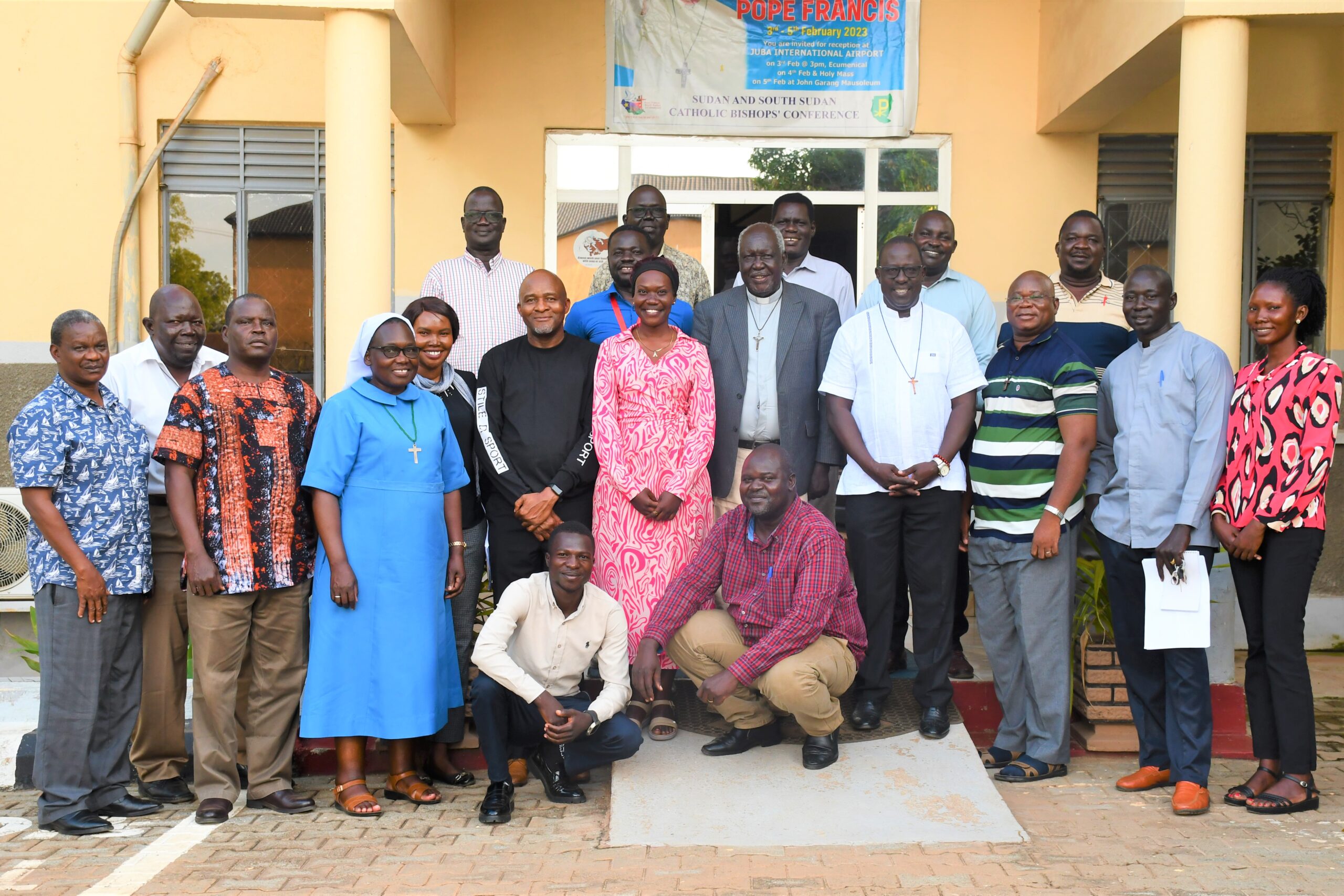
Juba, South Sudan — September 10, 2025: The Sudan and South Sudan Catholic Bishops’ Conference (SSSCBC) has successfully concluded a two-day validation workshop of its 2026–2028 Strategic Plan, aimed at strengthening the Church’s mission and institutional growth across the two nations. The workshop, held from September 9–10, brought together clergy, lay leaders, consultants, and development partners to review and finalize the draft strategies.
In his closing remarks, Fr. Martin Ochaya Lino, Secretary General of the SSSCBC, emphasized the growing challenges facing the Church, particularly the deepening crisis in Sudan. He noted that ongoing conflict, instability, and displacement have made it increasingly difficult for the Church to carry out its pastoral and humanitarian mission in affected areas.
“The Church is called to be present where people are suffering, but in Sudan, this mission is becoming more difficult each day,” Fr. Ochaya stated. “We must not forget the suffering of our people, both inside Sudan and in neighboring countries where many have fled.”
During the workshop, several participants raised concerns about the limited humanitarian assistance reaching Sudanese refugees and internally displaced persons (IDPs). They urged regional and international partners, especially those operating in neighboring countries like Egypt and Ethiopia, to extend their support to the Sudanese population seeking refuge and aid.
In particular, there was a call for Caritas and affiliated organizations to strengthen their response to the crisis. Participants stressed the need for targeted interventions to support vulnerable communities—especially displaced families, women, and children.
“We ask Caritas and other Catholic relief agencies to do more for those displaced by the conflict. Many are in camps or makeshift shelters, with little access to food, health care, or education,” one participant emphasized.
Some humanitarian partners expressed a willingness to support Sudan more actively but noted a significant challenge: the lack of reliable, up-to-date information from within the country. This information gap, they said, makes it difficult to assess needs and coordinate effective responses.
“There’s a strong willingness to help, but we need better channels of communication and accurate data from inside Sudan to respond adequately,” a partner representative noted.
Fr. Ochaya also extended heartfelt appreciation to Mr. Breenard Okok, the consultant who led the drafting process, for bring into line the strategies with the Church’s mission and vision. He also thanked Carford for its consistent support, describing it as a “gesture of solidarity with the Church’s journey.”
The validated draft now awaits formal approval by the Bishops. Once approved, the 2026–2028 Strategic Plan will become a guiding document for the Church’s pastoral work, social outreach, and institutional development.