

Author|Ginaba Lino|CRN
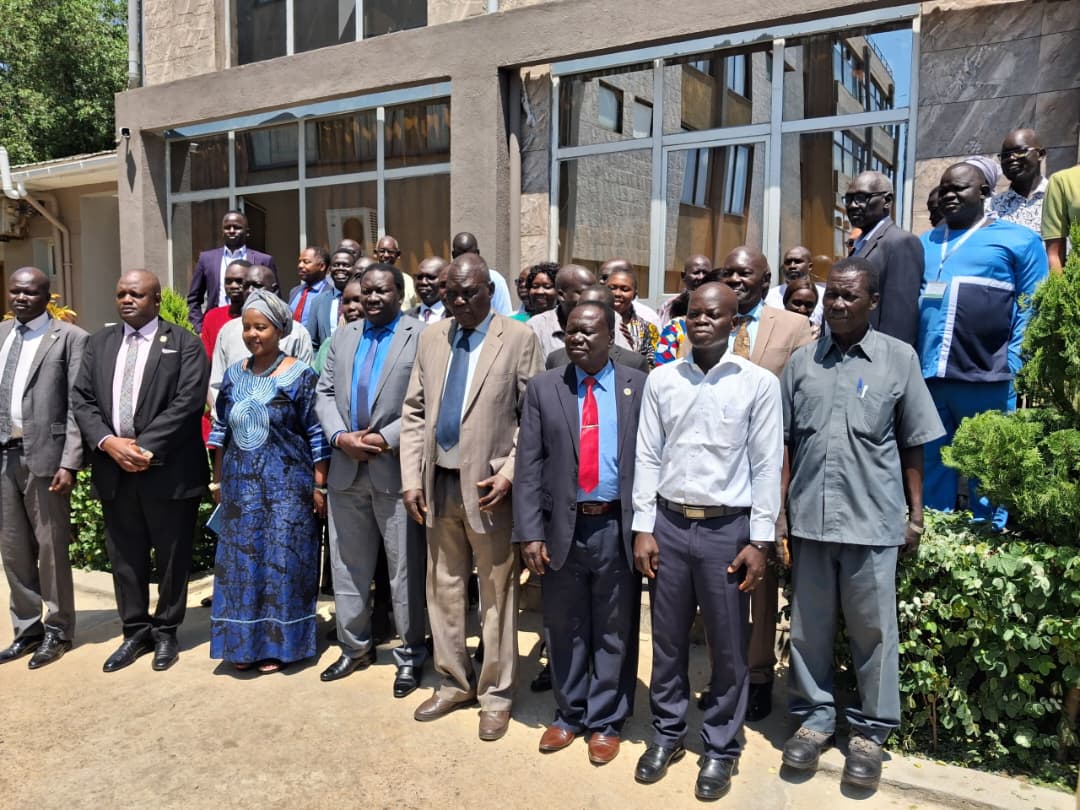
The Government of South Sudan, through the Ministry of Environment and Forestry in collaboration with the United Nations Development Programme (UNDP), is hosting a three-day consultative workshop on the development of a National Carbon Market Framework.
UNDP has contracted Subbarao Consulting Services (SCS) to support the ministry in crafting the framework, which is a key requirement for participation under Article 6 of the Paris Agreement.
Article 6 allows countries to cooperate voluntarily in achieving their climate goals by enabling the transfer of carbon credits generated from reducing greenhouse gas emissions. This mechanism helps countries meet their climate targets while also unlocking financial resources for developing nations.
By engaging in the carbon market, South Sudan aims to raise its climate ambitions and implement national climate action plans more affordably and effectively.
The primary goal of the workshop is to gather feedback from stakeholders on the draft National Carbon Market Framework.
In his opening remarks, the Undersecretary of the Ministry of Environment and Forestry, Hon. Joseph Africano Bartel, highlighted the potential of South Sudan’s forests to provide environmental and economic benefits.
“This initiative presents an opportunity for the people of South Sudan to earn income while protecting our environment,” Bartel said. He noted that the country’s forests can be managed in a sustainable way that benefits both the government and the citizens.
He also pointed to the availability of fuel-efficient cookstoves, which reduce the reliance on charcoal, as an example of environmentally friendly practices already underway. Bartel added that some local organizations in Juba are already producing such stoves, and the ministry plans to accredit these products to encourage wider adoption.
Deputy UNDP Resident Representative Sheila Ngatia praised the government’s initiative to establish a carbon market, calling it a critical step toward aligning natural resource management with economic and environmental goals.
“This workshop is not just about reviewing a draft framework,” she said, “it is about collectively shaping the future of how South Sudan’s natural assets can contribute to both environmental protection and economic growth.”
Ngatia also underscored South Sudan’s vulnerability to climate change, citing rising temperatures, erratic rainfall, and recurring floods, all of which threaten food security, livelihoods, and sustainable development.
She reaffirmed UNDP’s commitment to helping South Sudan establish a robust, transparent, and accountable carbon market system aligned with Article 6 of the Paris Agreement.
“The development of a well-governed carbon market framework offers South Sudan a meaningful way to engage in international carbon markets, unlock climate finance, and attract investment in sustainable development,” she concluded.