

, has launched a two-year agricultural project worth $1.18 million USD aimed at empowering women and youth in Luri and Rajaf Payams of Central Equatoria State, South Sudan.)
By: Ginaba Lino
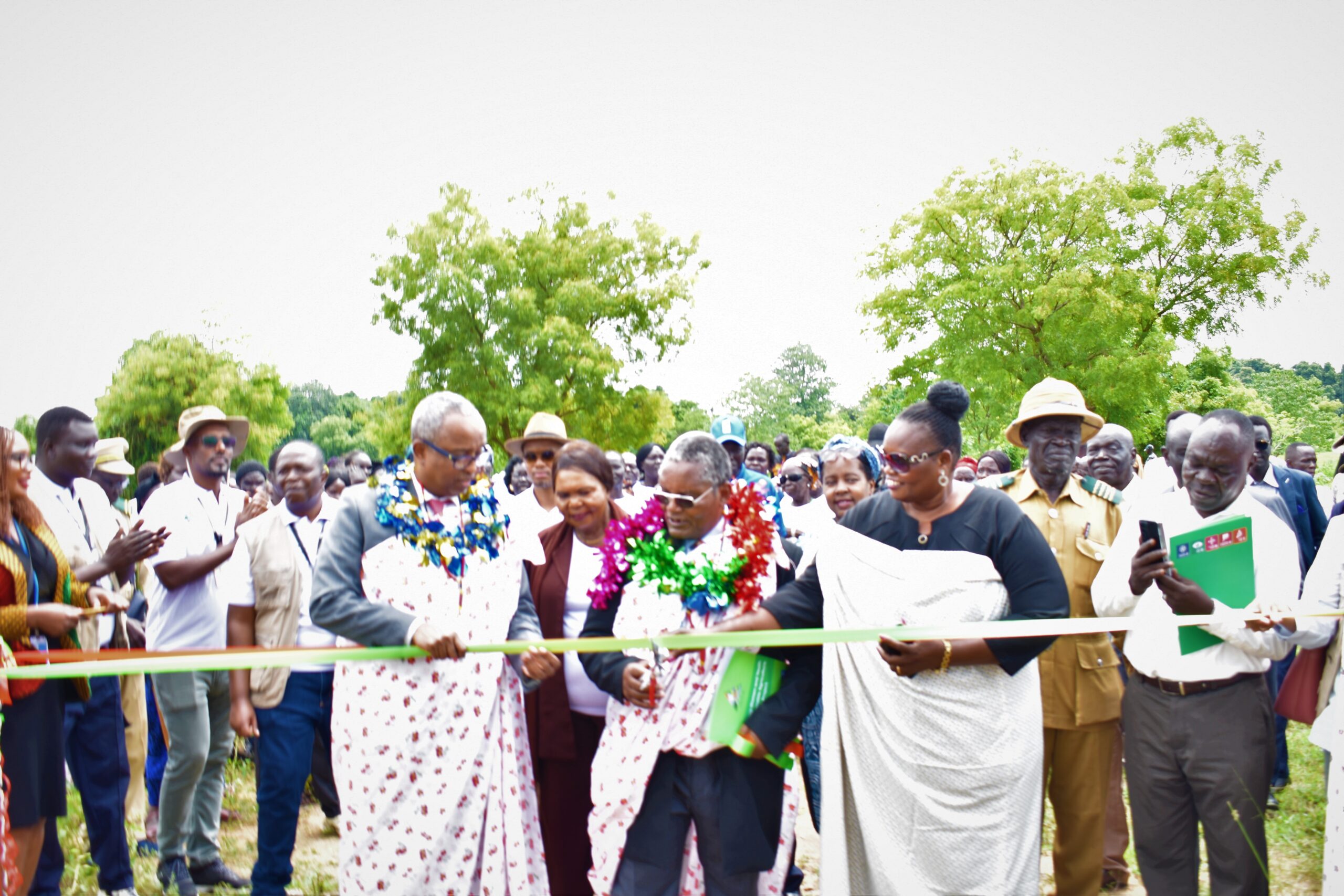
Oxfam, in collaboration with the United Nations Development Programme (UNDP), has launched a two-year agricultural project worth $1.18 million USD aimed at empowering women and youth in Luri and Rajaf Payams of Central Equatoria State, South Sudan.
The project is funded by the India-Brazil-South Africa (IBSA) Fund, in partnership with South Sudan’s Ministry of Gender, Child and Social Welfare. It seeks to promote sustainable agriculture as a pathway to food security, dignity, and economic opportunity for marginalized communities.
The initiative is set to directly support 200 households, reaching 1,200 individuals, with a minimum of 60% of beneficiaries being women, including people living with disabilities. It focuses on enhancing vegetable production and building resilience in rural communities.
Ms. Shabnam Baloch, Oxfam Country Director, highlighted the project’s importance in addressing hunger and empowering communities through agriculture.
“In Luri and Rajaf Payams, women and youth are at the heart of this initiative. By improving vegetable production, we are not only increasing food security, but also opening doors to dignity, opportunity, and resilience,” said Baloch.
She called on beneficiaries to use the project as a steppingstone to broader transformation and scaling up across South Sudan.
“This is more than a milestone — it’s a demonstration of what’s possible when we work together with a shared vision.”
Oxfam reaffirmed its long-term commitment to working with communities and stakeholders to ensure the project’s success.
Dr. Mohamed Abchir, UNDP Resident Representative in South Sudan, commended the collaboration and emphasized the urgent need to invest in smallholder farmers.
“South Sudan remains one of the most food-insecure countries in the world. Yet, the land is fertile and holds immense potential for agricultural transformation,” he noted.
Central Equatoria State Minister of Agriculture, Hon. Lilly Kafuki Paul, expressed gratitude to IBSA and partners for choosing Central Equatoria as a target area.
“For this project to focus on women and youth means peace, stability, nutrition, environmental balance, and a better future,” she said.
“It aligns perfectly with the state’s vision for empowering its people.”
Ambassador Mahlodi Mufhe of South Africa to South Sudan praised the project as a symbol of African solidarity and resilience.
“The suffering of the people of South Sudan is my suffering,” he said.
“This project is a practical example of African solutions to African problems. Through it, we aim to contribute to the silencing of guns — encouraging youth to choose seeds over bullets.”