
 into the country’s routine immunization schedule. This marks a significant milestone in strengthening child health and protecting children against one of the world’s most contagious and deadly vaccine-preventable diseases.)
By: Ginaba Lino
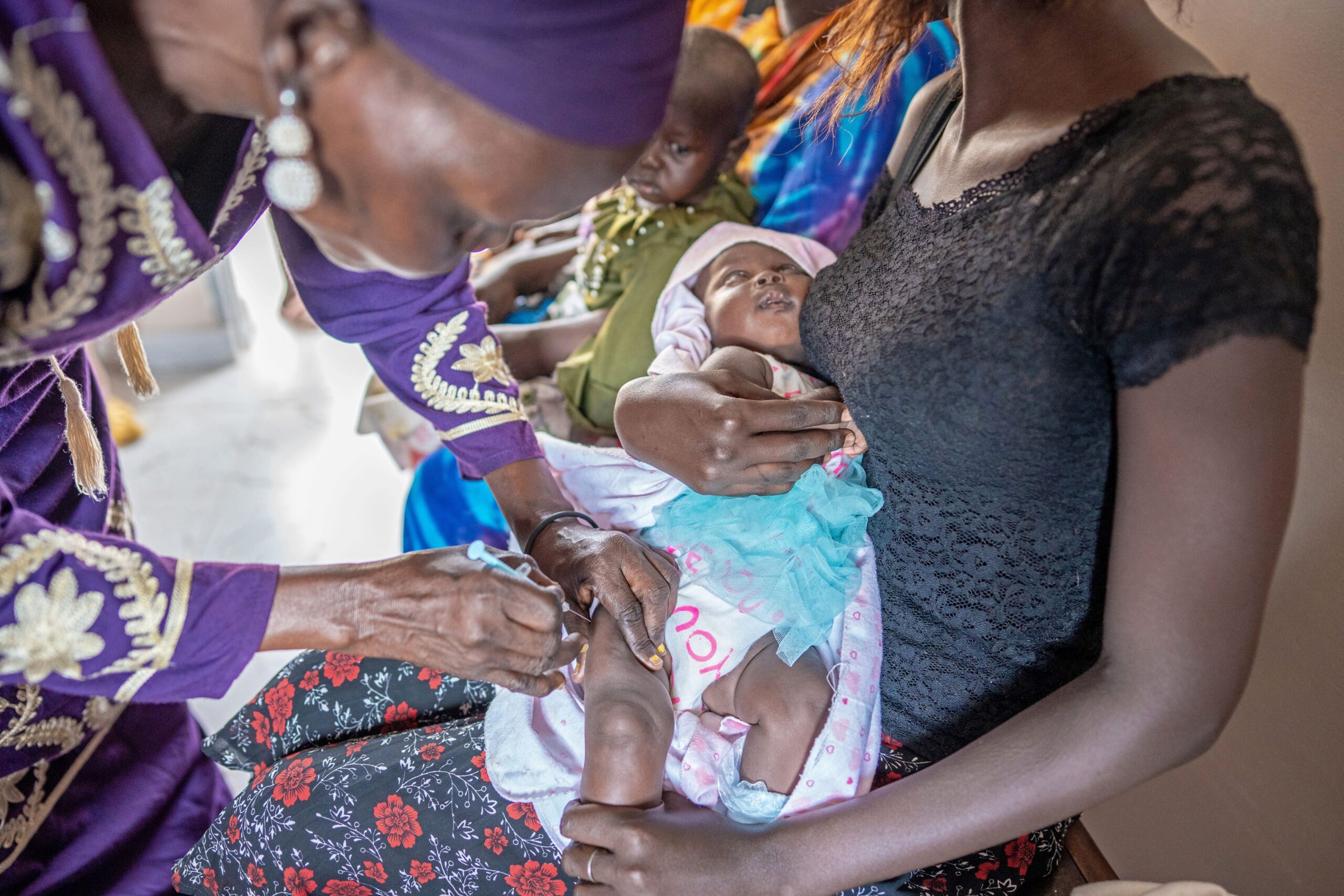
The National Ministry of Health of the Republic of South Sudan, in collaboration with its health partners, has officially introduced the second dose of the Measles-Containing Vaccine (MCV2) into the country’s routine immunization schedule. This marks a significant milestone in strengthening child health and protecting children against one of the world’s most contagious and deadly vaccine-preventable diseases.
The two-dose measles vaccination protocol follows the 2017 World Health Organization (WHO) recommendation urging all countries to include a second dose of the measles vaccine in their immunization programs.
According to the 2025 Measles Risk Assessment, nearly 90% of South Sudan’s counties are categorized as either high or very high risk for measles outbreaks—highlighting the urgent need for enhanced immunization coverage.
Speaking at the launch, Hon. Sarah Cleto Rial, Minister of Health, emphasized the country’s commitment to achieving measles elimination by 2030. She stated that the Ministry will deploy fixed-post, outreach, and mobile strategies to ensure high coverage and accessibility of routine immunization services.
“The introduction of MCV2 significantly boosts immunity among children, and we are determined to align our efforts with global targets for measles elimination,” said Hon. Rial.
The introduction of the second dose is being supported by Gavi, the Vaccine Alliance, in partnership with WHO and UNICEF. Together, these organizations are addressing longstanding immunization gaps through initiatives such as training health workers, expanding cold chain infrastructure, improving data management systems, and conducting targeted social mobilization campaigns.
Dr. Humphrey Karamagi, WHO Representative in South Sudan, applauded the country’s consistent progress in strengthening its immunization program.
“The introduction of MCV2 is a critical step in controlling vaccine-preventable diseases,” said Dr. Karamagi. “Sustaining this progress will require ongoing community outreach, health worker training, and robust data systems. WHO remains committed to supporting South Sudan on this journey.”
UNICEF Representative Noala Skinner also welcomed the development, calling for comprehensive protection—particularly for vulnerable children affected by malnutrition, conflict, and natural disasters.
“With the support of Gavi, the inclusion of the second dose in the national immunization schedule closes a critical gap in child health,” said Skinner. “One dose does not offer full protection—this second dose is essential.”
She reiterated UNICEF’s commitment to preventing future outbreaks, strengthening the health system, and ensuring no child is left behind.
“The media and public have a vital role to play in this initiative by promoting vaccine awareness and encouraging caregivers to ensure that every eligible child receives both doses of the measles vaccine,” she added.
In April 2025, South Sudan conducted a nationwide measles follow-up campaign targeting children aged 6 to 59 months. The campaign reached 73 of 80 counties and achieved 85% coverage of the national target population. However, only 38% of counties achieved the 95% coverage threshold needed to interrupt measles transmission.
These findings underscore persistent immunity gaps and reinforce the urgent need for a second dose to ensure all children are fully protected against measles.