

By Otto Abut
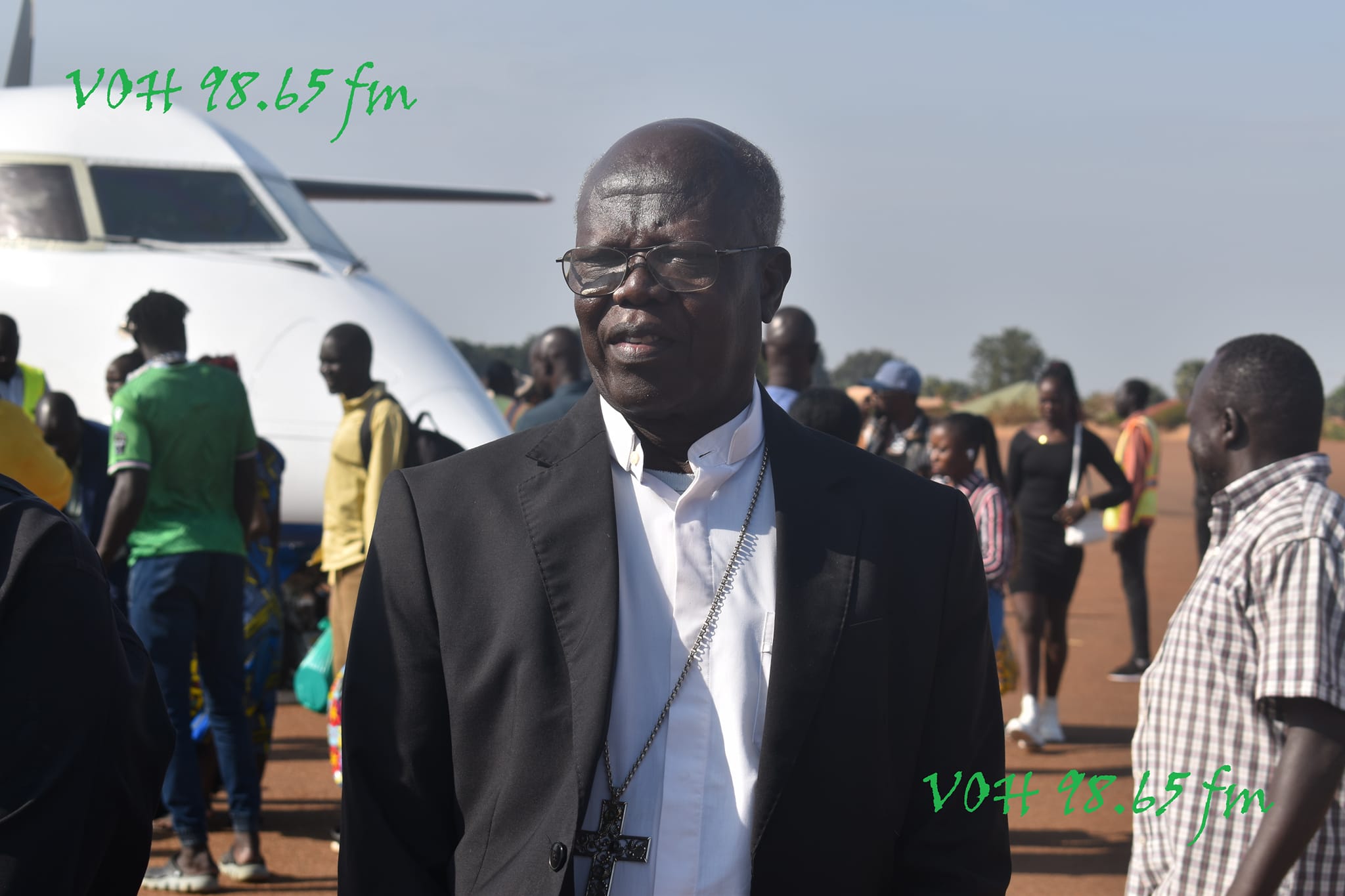
Khartoum, Sudan – The Catholic Archbishop of Khartoum has reported widespread destruction and looting of church properties amid the ongoing conflict in Sudan, severely disrupting pastoral work and damaging vital religious institutions.
Archbishop Michael Didi Adgum Mangoria confirmed that numerous Catholic facilities under the Khartoum Diocese have been vandalized and looted by armed groups since the war began in April 2023. The deteriorating security situation, he said, has made it nearly impossible for priests to move freely, disrupting regular church services and community outreach.
“Places like St. Peter and Paul Parish, Palica, and the main Catholic bookshop were broken into and looted by armed men,” Archbishop Didi said. “The situation is difficult, but we remain steadfast in our mission to proclaim the Gospel.”
Fr. Yousief, a local priest, revealed that the archbishop’s residence in Khartoum was also targeted. “They broke windows and forced open doors to access church offices,” he said.
The humanitarian toll is equally alarming. Areas such as Jabarona, on the outskirts of Khartoum, have become makeshift refugee camps, housing hundreds of displaced South Sudanese awaiting repatriation.
In a statement of solidarity, Auxiliary Bishop of Juba, Santo Loku Pio Doggale, praised Archbishop Didi and his clergy for their resilience. “We are heartbroken by the destruction of our churches in Sudan,” he said. “But we draw strength from the courage and faith of our priests who continue to serve in the face of danger.”
Church leaders have called for urgent international intervention, appealing to humanitarian figures such as Sean Ejedioand urging the warring parties to commit to dialogue and pursue a peaceful resolution.
According to the World Health Organization (WHO), the conflict has left over 11 million people in urgent need of humanitarian aid and healthcare. More than two-thirds of hospitals in conflict zones are currently non-functional.
In response, the European Union, in partnership with WHO, is providing critical medical supplies and supporting infection control and disease surveillance in Atbara and across River Nile State.