

, which cites repeated ceasefire violations and growing mistrust among parties to the country’s fragile peace agreement.)
By Otto Abut | CRN
South Sudan is facing a deepening political and security crisis, according to a new report by the Reconstituted Joint Monitoring and Evaluation Commission (RJMEC), which cites repeated ceasefire violations and growing mistrust among parties to the country’s fragile peace agreement.
In its 27th quarterly report, covered between April to June 2025, RJMEC highlights intensifying clashes between government forces (SSPDF) and the Sudan People’s Liberation Army-In Opposition (SPLA-IO), along with allied armed groups. The report warns that the fighting “poses a serious threat to national stability” and undermines the 2018 Revitalised Agreement on the Resolution of the Conflict in South Sudan (R-ARCSS).
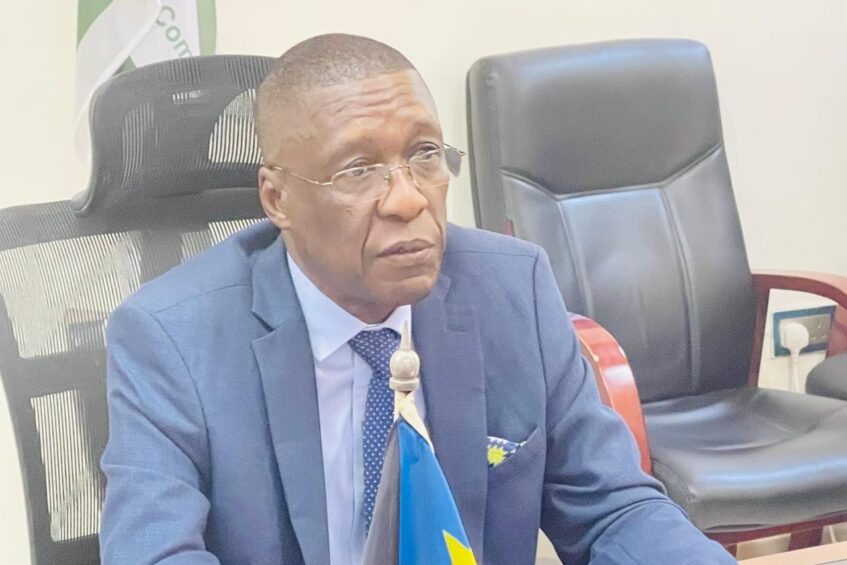
RJMEC Interim Chairperson, H.E. Amb. Maj. Gen. (Rtd) George Aggrey Owinow, voiced alarm over the continued house arrest of First Vice President Dr. Riek Machar, who also leads the SPLM/A-IO. The detention of other senior opposition leaders has further strained the political climate, deepening mistrust among signatories and shaking public and international confidence in the peace process.
“This lack of political will and trust is stalling critical provisions of the agreement,” the report states, calling for immediate action by the Revitalised Transitional Government of National Unity (RTGoNU).
Among RJMEC’s key recommendations are the release of Dr. Machar from house arrest, restoration of full functionality across peace institutions, support for the electoral process, and acceleration of the constitution-making process. The commission also urges regional guarantors to step in diplomatically to ease rising tensions.
With national elections scheduled for December 2026, the report paints a troubling picture of limited progress. The National Electoral Commission (NEC) has only managed to establish State High Elections Committees in six of the country’s ten states. Ongoing political deadlock and funding shortfalls have stalled further progress.
Equally concerning is the lack of movement on legal and constitutional reforms. The National Constitutional Review Commission remains underfunded, and the drafting of a permanent constitution has yet to begin.
As political tensions escalate and implementation falters, RJMEC warns that the window for a peaceful and credible transition is rapidly closing unless urgent corrective actions are taken.